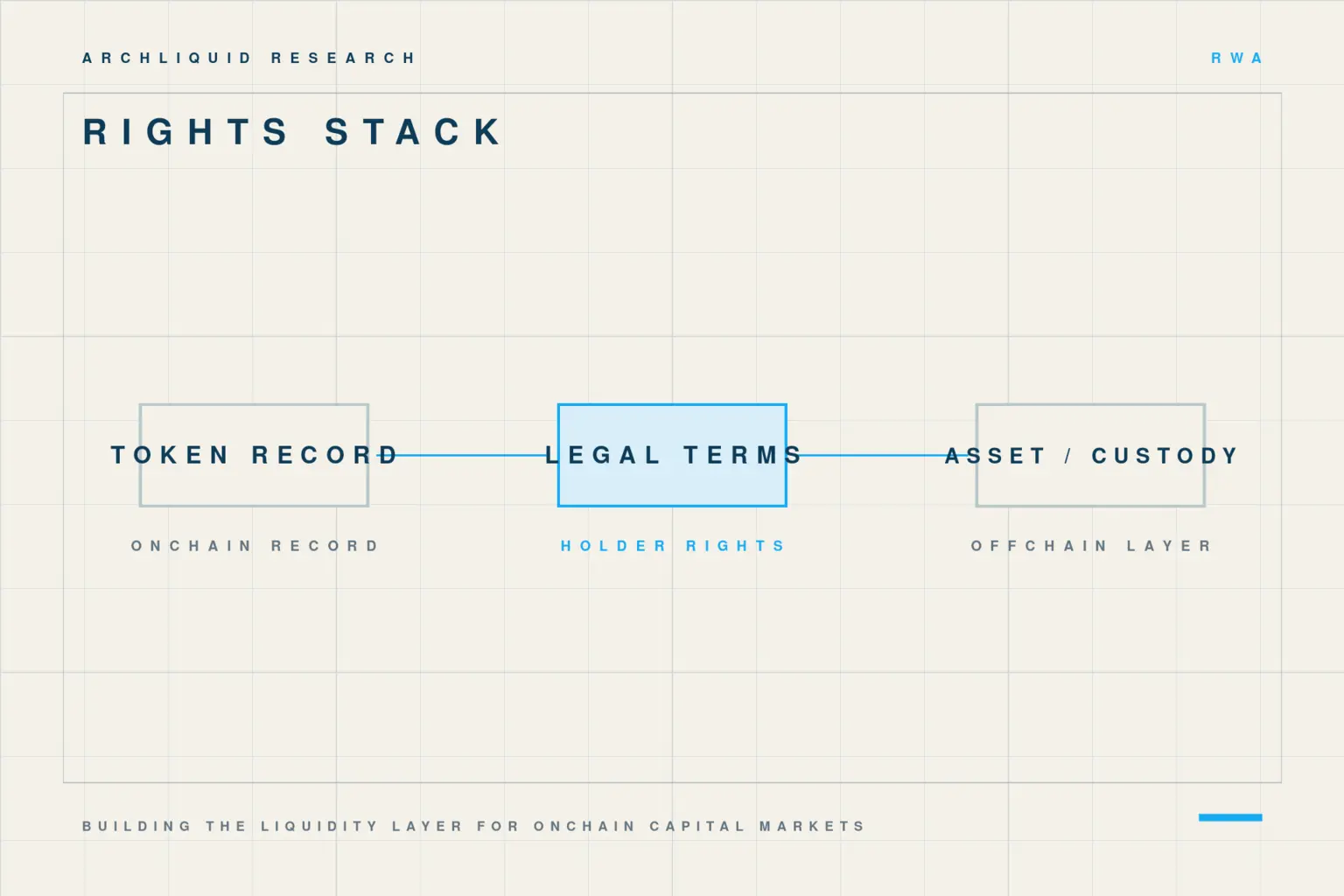
Featured researchReal-World Asset Tokenization: What It Is and What It Does Not Change
Tokenization can make an asset programmable. It cannot, by itself, create ownership rights, remove counterparties, or make an illiquid market liquid.
Clear explanations of tokenized stocks, real-world assets, Robinhood Chain and the infrastructure that connects markets to smart contracts.
Featured researchTokenization can make an asset programmable. It cannot, by itself, create ownership rights, remove counterparties, or make an illiquid market liquid.

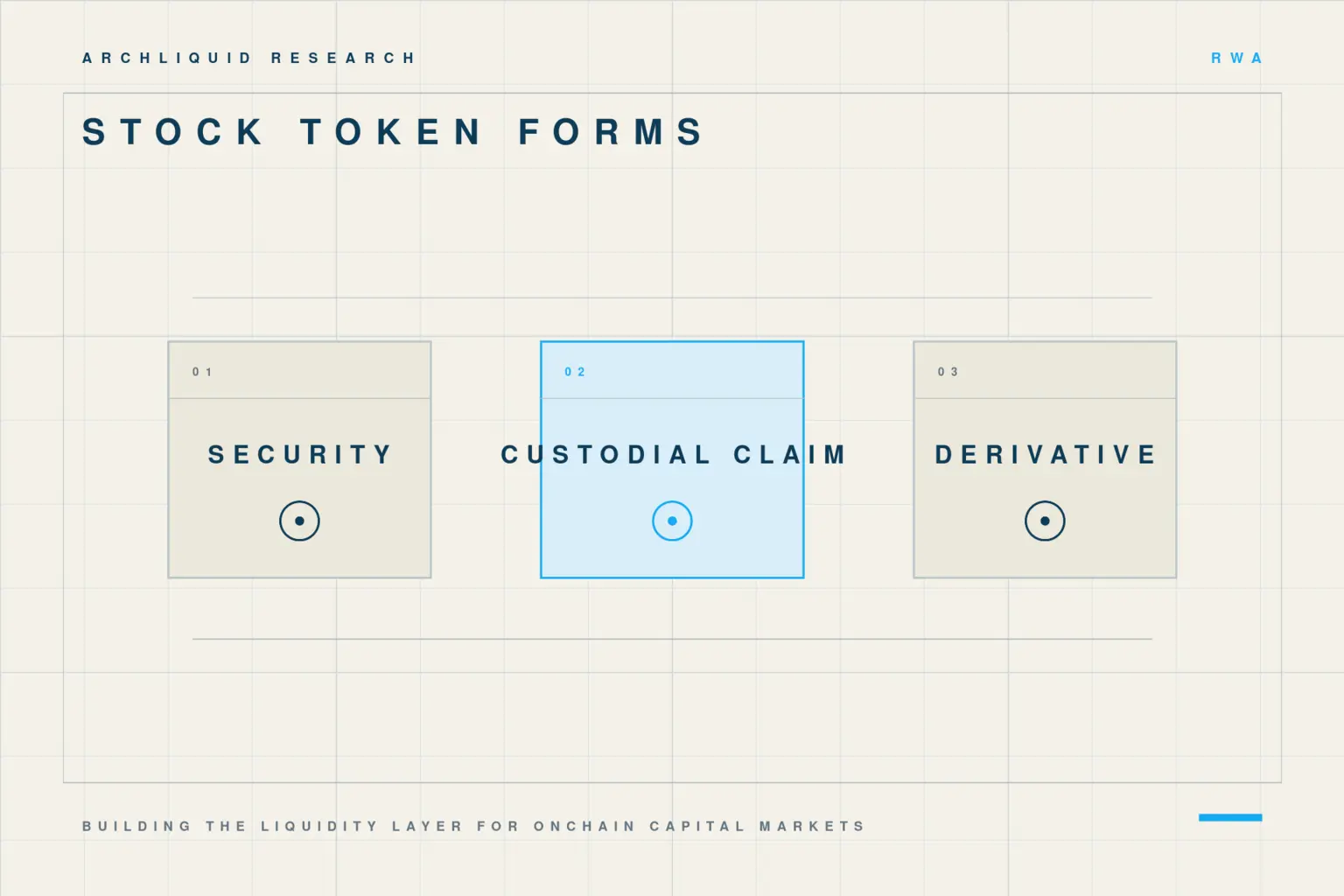
The phrase tokenized stock covers several legal structures. Price exposure, shareholder ownership and redemption rights are not interchangeable.
Read article
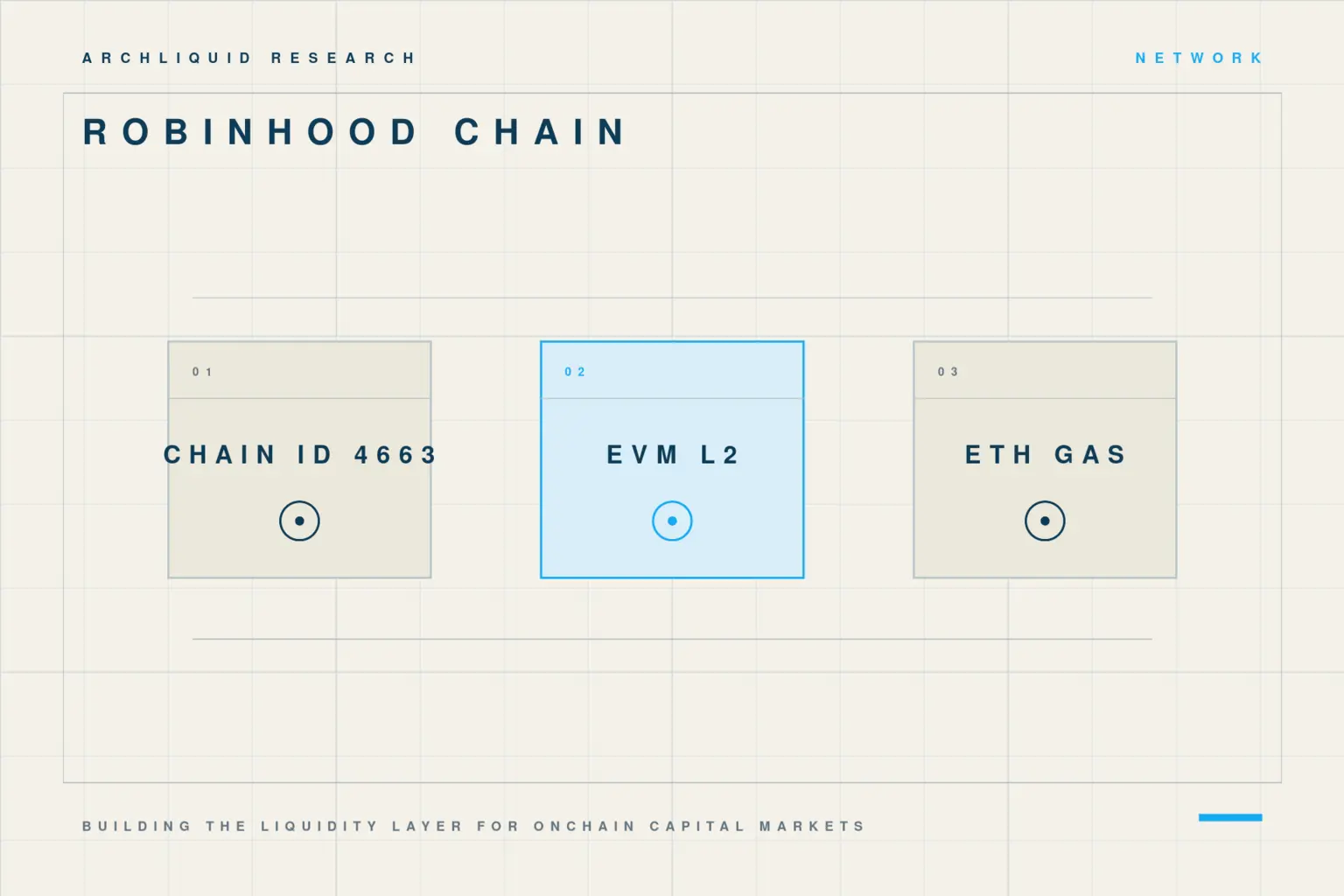
Robinhood Chain combines Ethereum-compatible execution with dedicated market infrastructure for tokenized assets. Here is what the architecture actually provides.
Read article
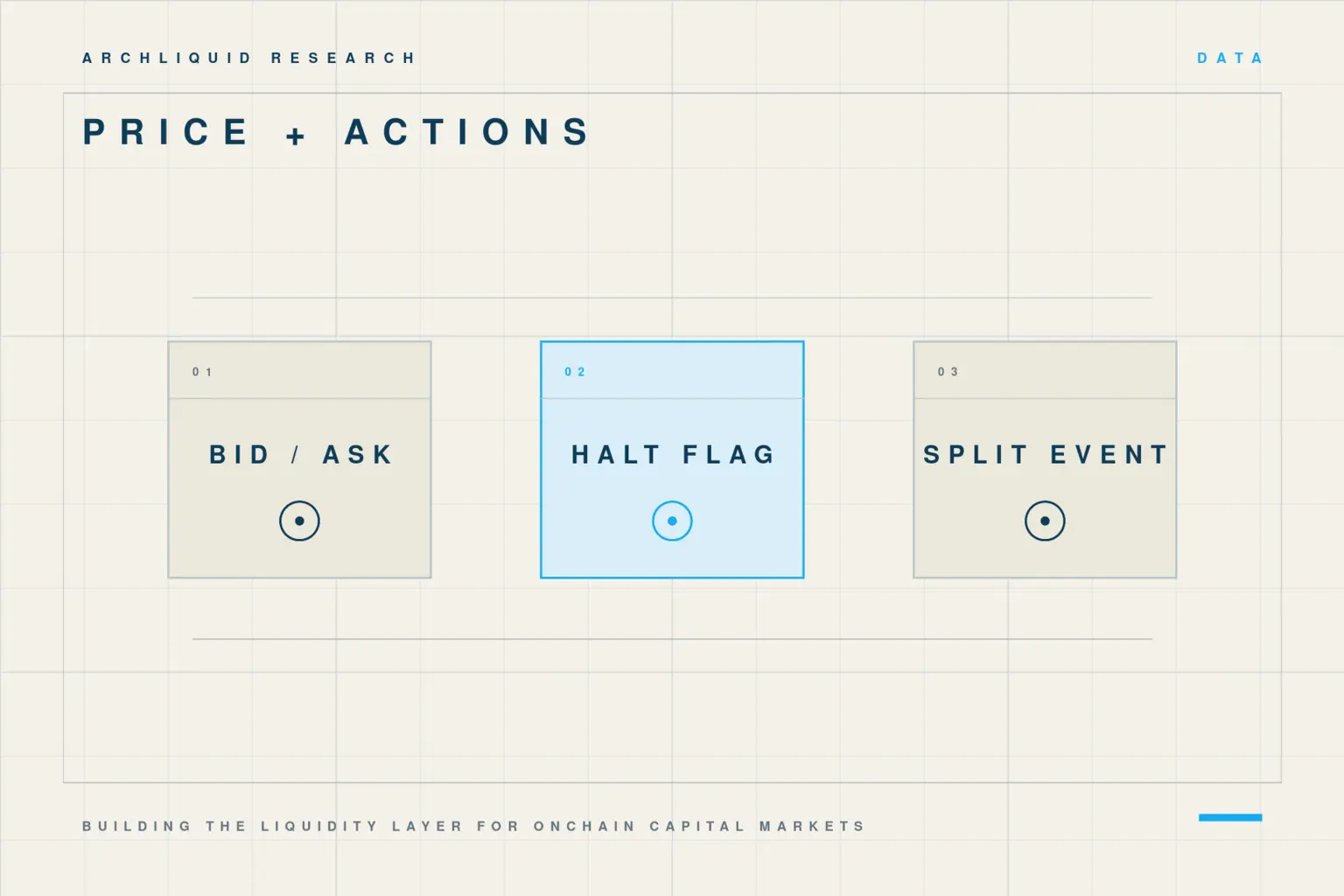
Tokenized equities need more than a price feed. Splits, dividends, halts and shares-per-token multipliers must stay synchronized across every application.
Read article
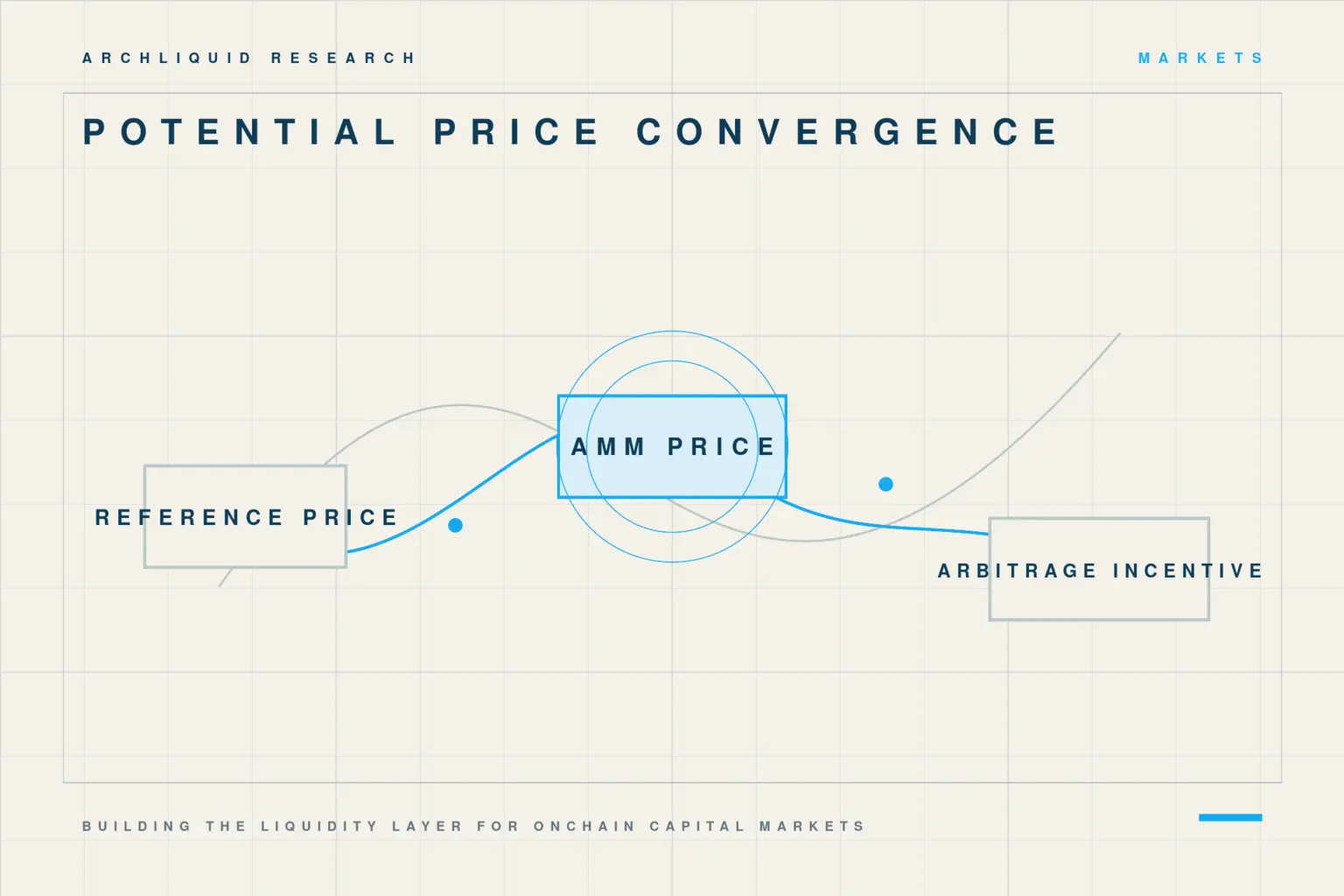
A token may transfer continuously even when its reference market is closed. That creates access, but it also changes price discovery and risk.
Read article
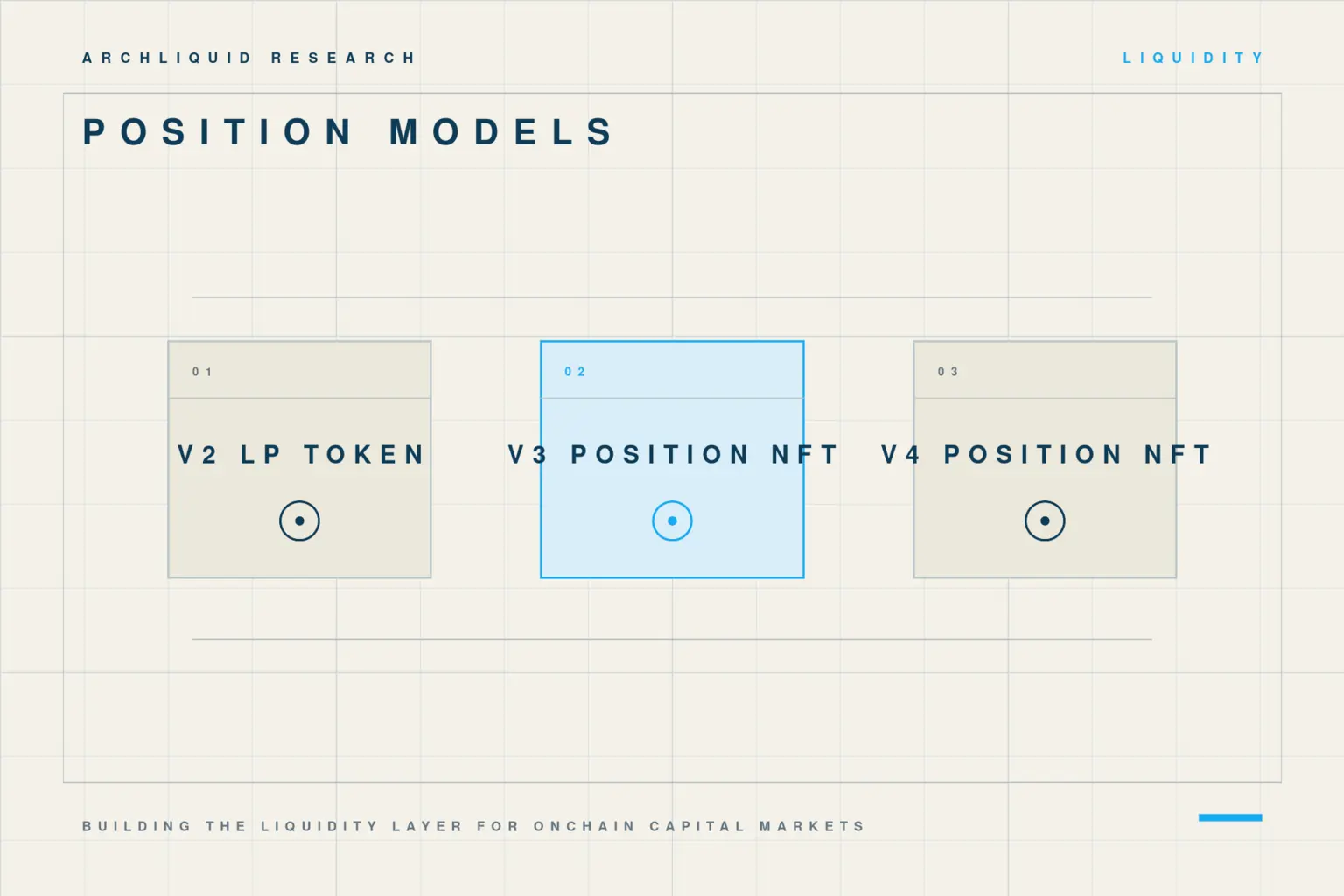
V2 LP tokens, V3 position NFTs and V4 hook-enabled positions can all represent liquidity, but they require different custody and risk controls.
Read article
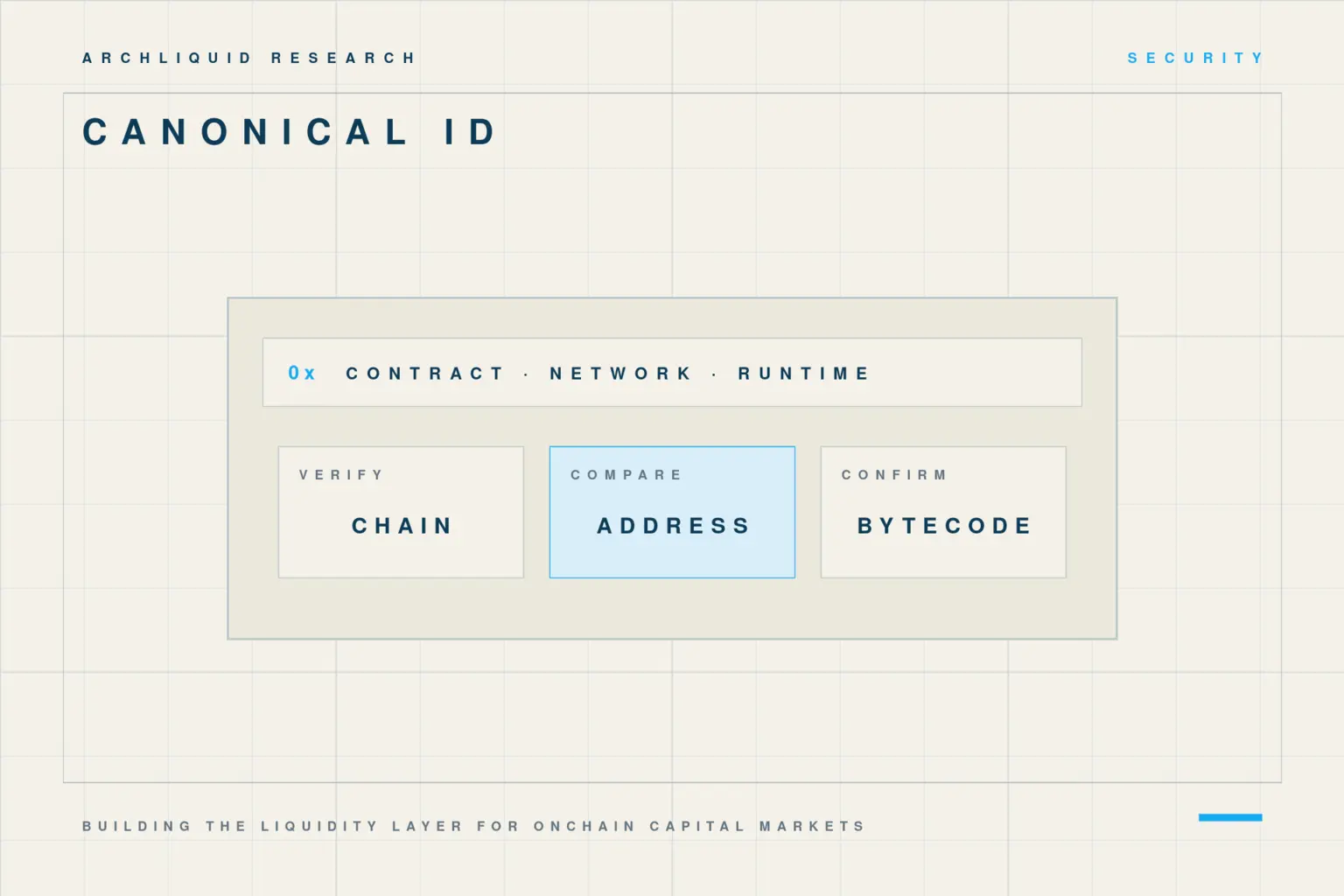
Ticker symbols and token interfaces are easy to imitate. Canonical identity comes from an authoritative registry plus live onchain verification.
Read article
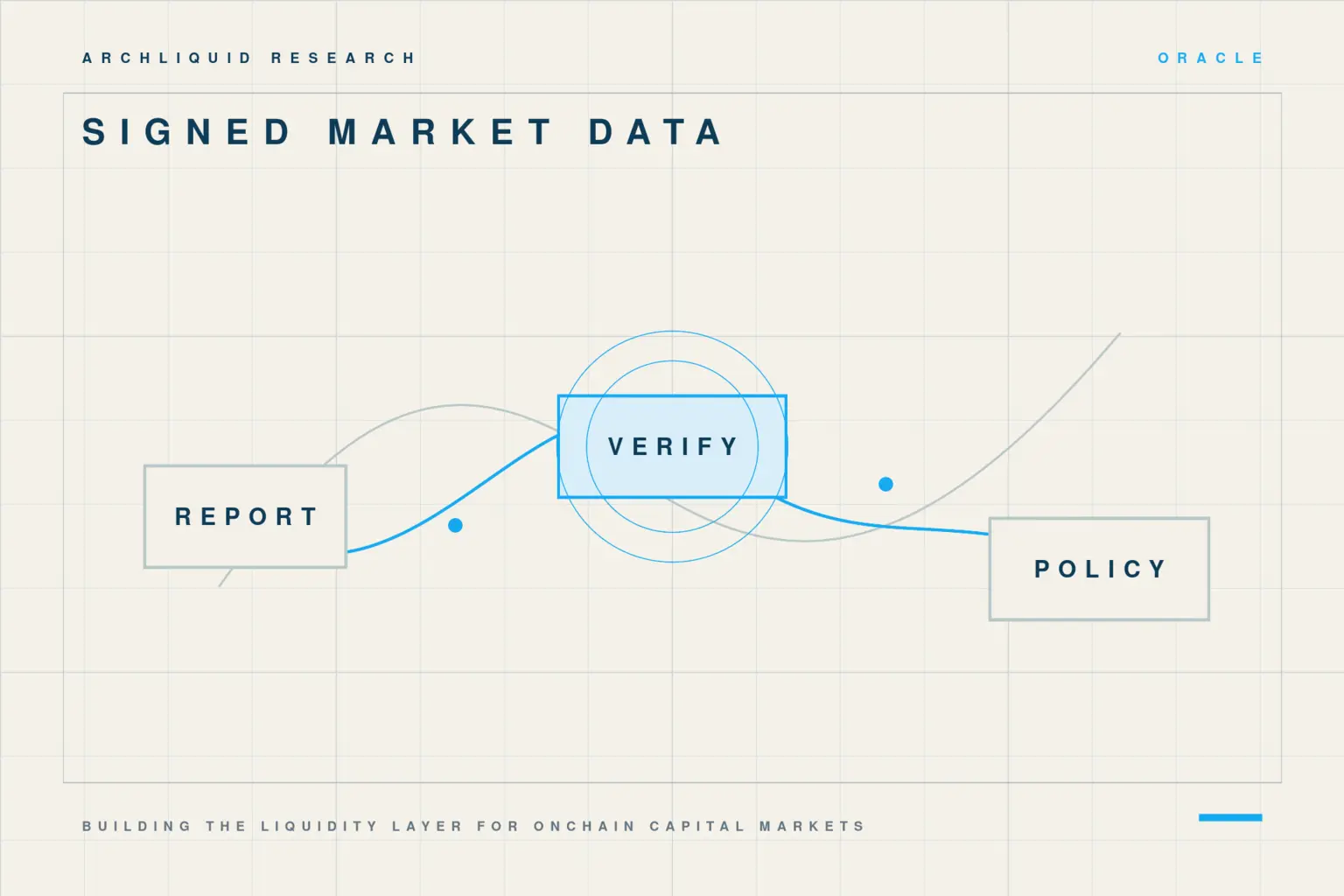
A signed price is not automatically a safe price. Tokenized-equity protocols must know what was priced, when it was updated and whether the market was tradable.
Read article
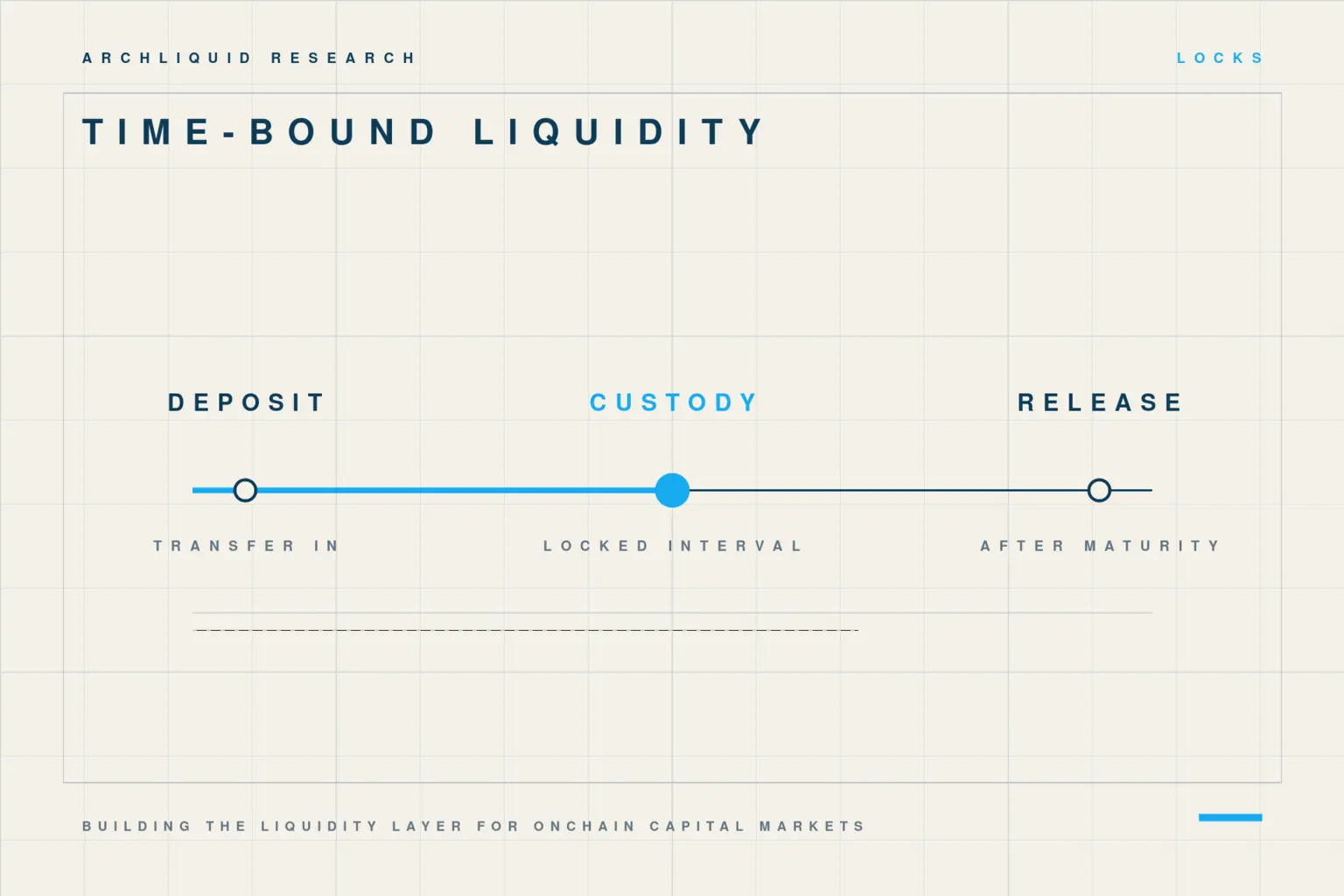
A valid lock proves that a defined position cannot be withdrawn before a timestamp. It does not prove price stability, asset backing or market quality.
Read article
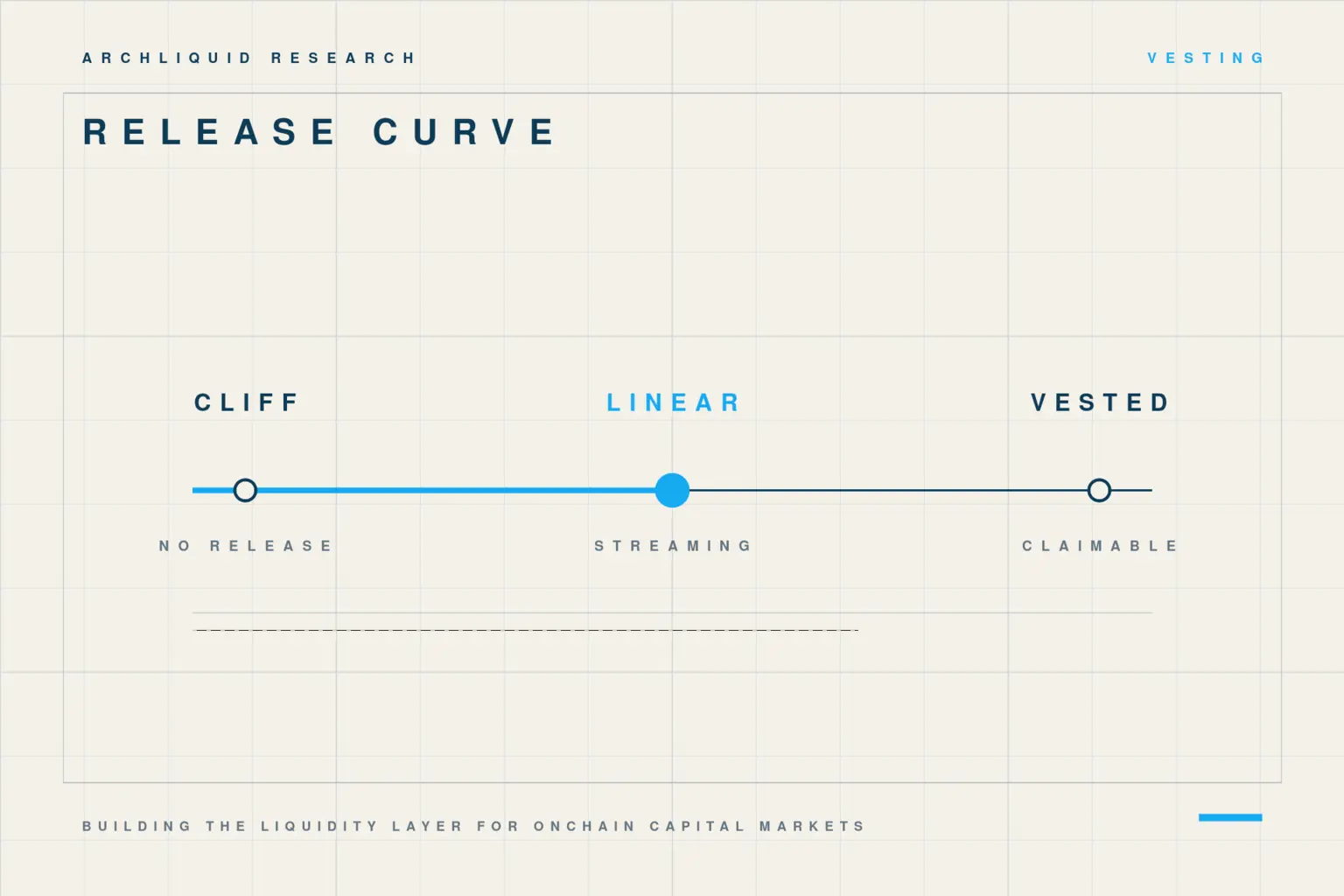
Vesting turns an allocation promise into a release curve the chain can enforce and the market can inspect.
Read article
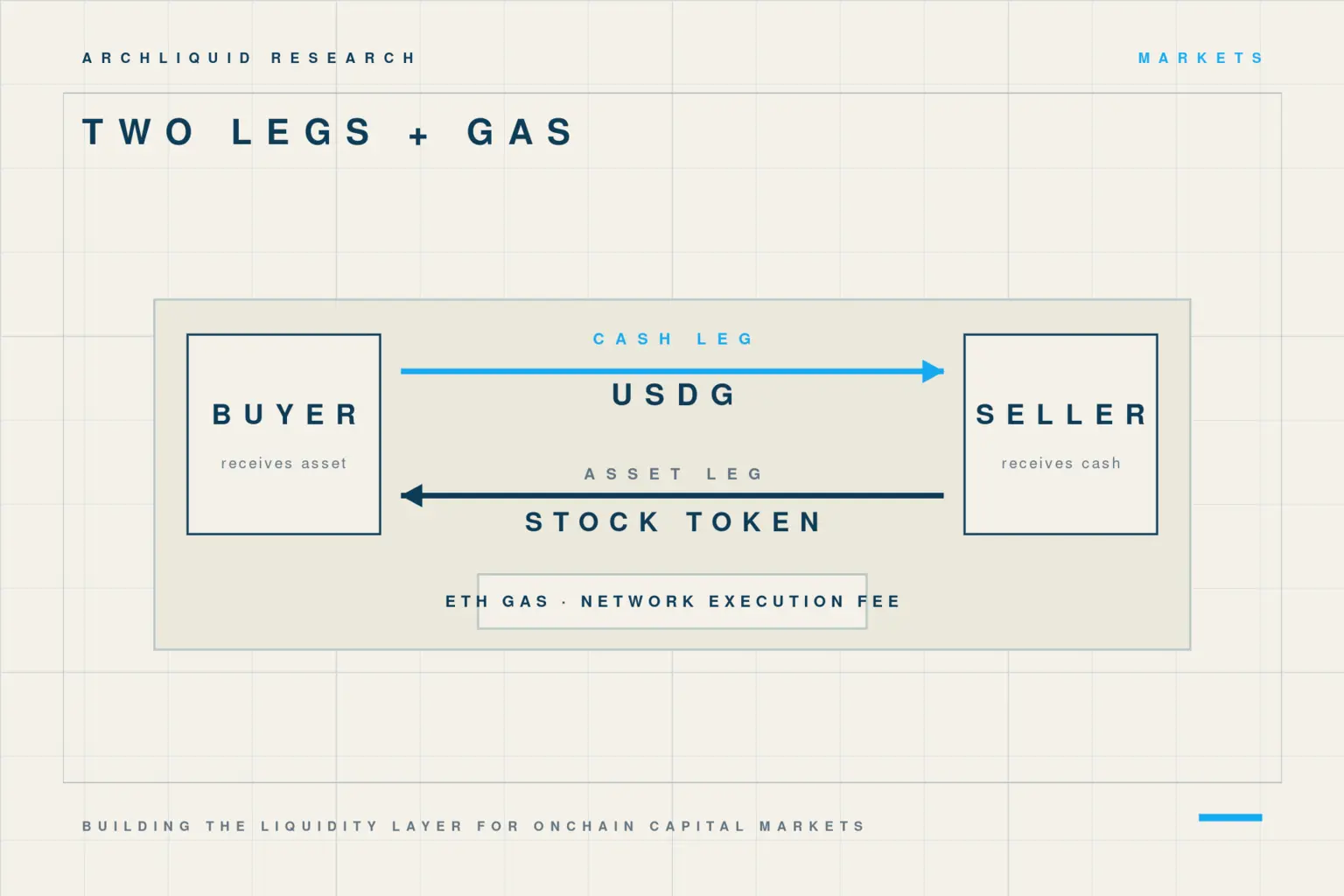
Every tokenized-stock trade has a cash leg. Its contract, liquidity and redemption path matter as much as the asset being purchased.
Read article
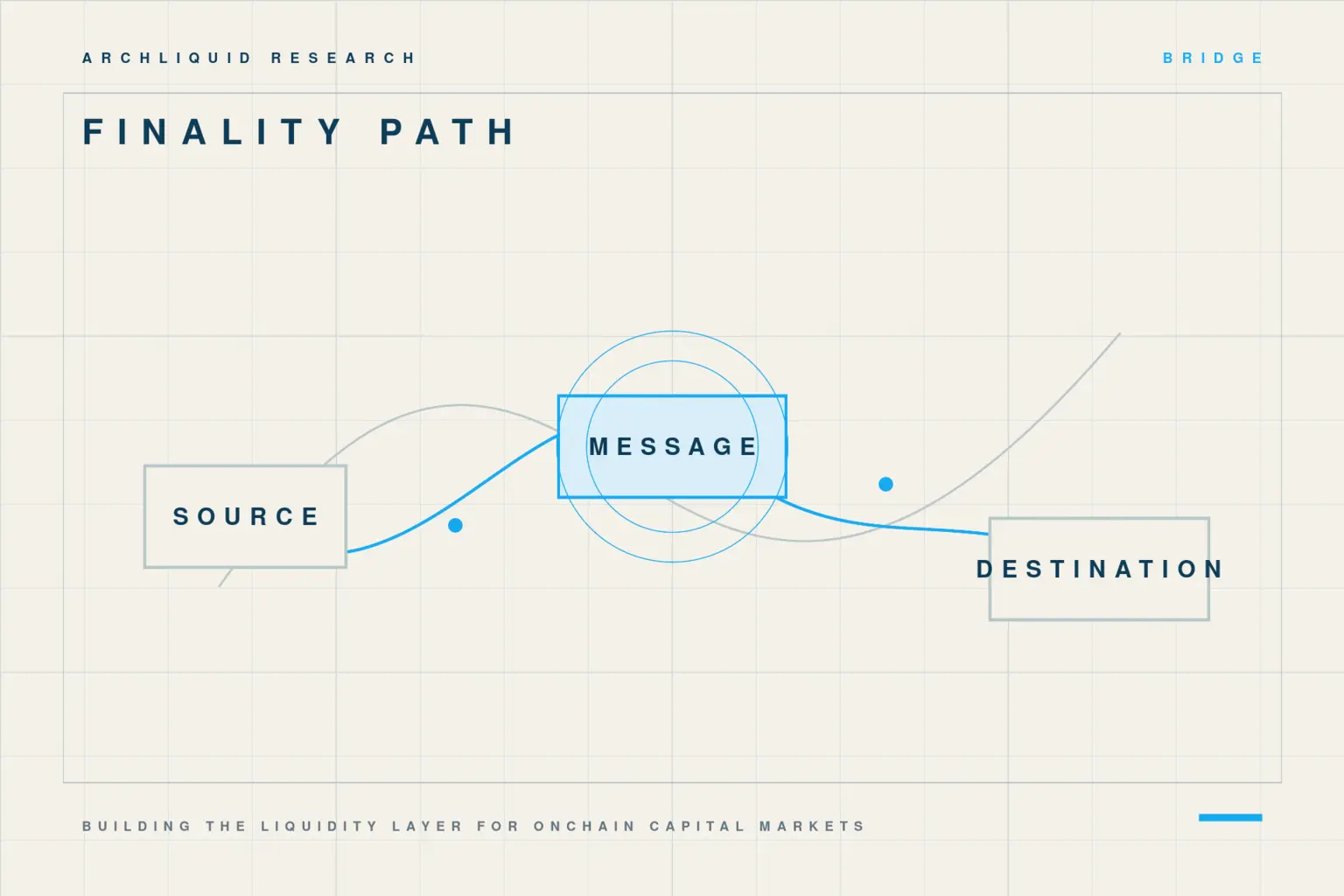
A bridge does more than move a balance between interfaces. It changes the custody, message-finality and contract assumptions around that balance.
Read article
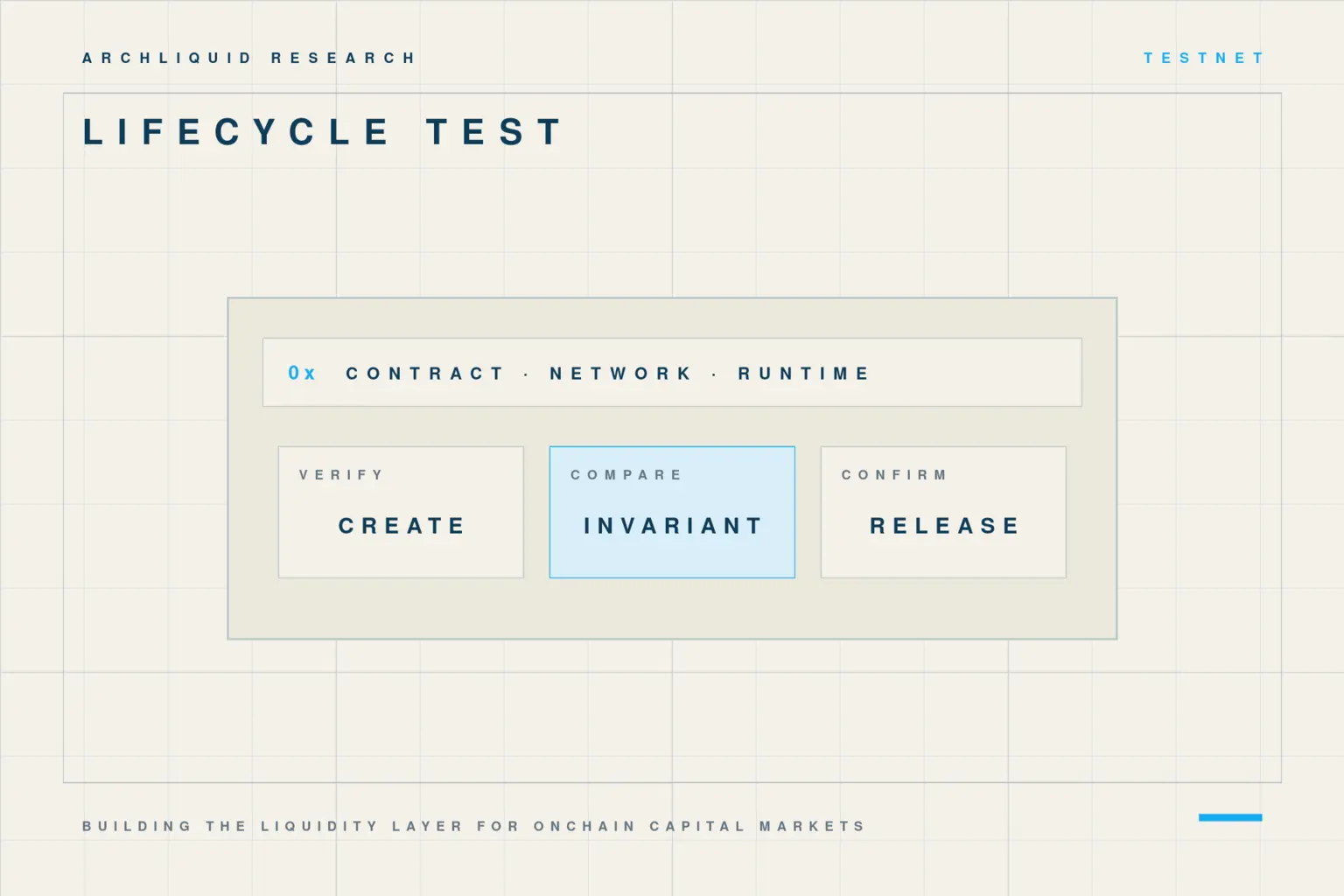
A green deployment transaction is the start of testnet validation, not the end. Release evidence must cover the complete user lifecycle.
Read article
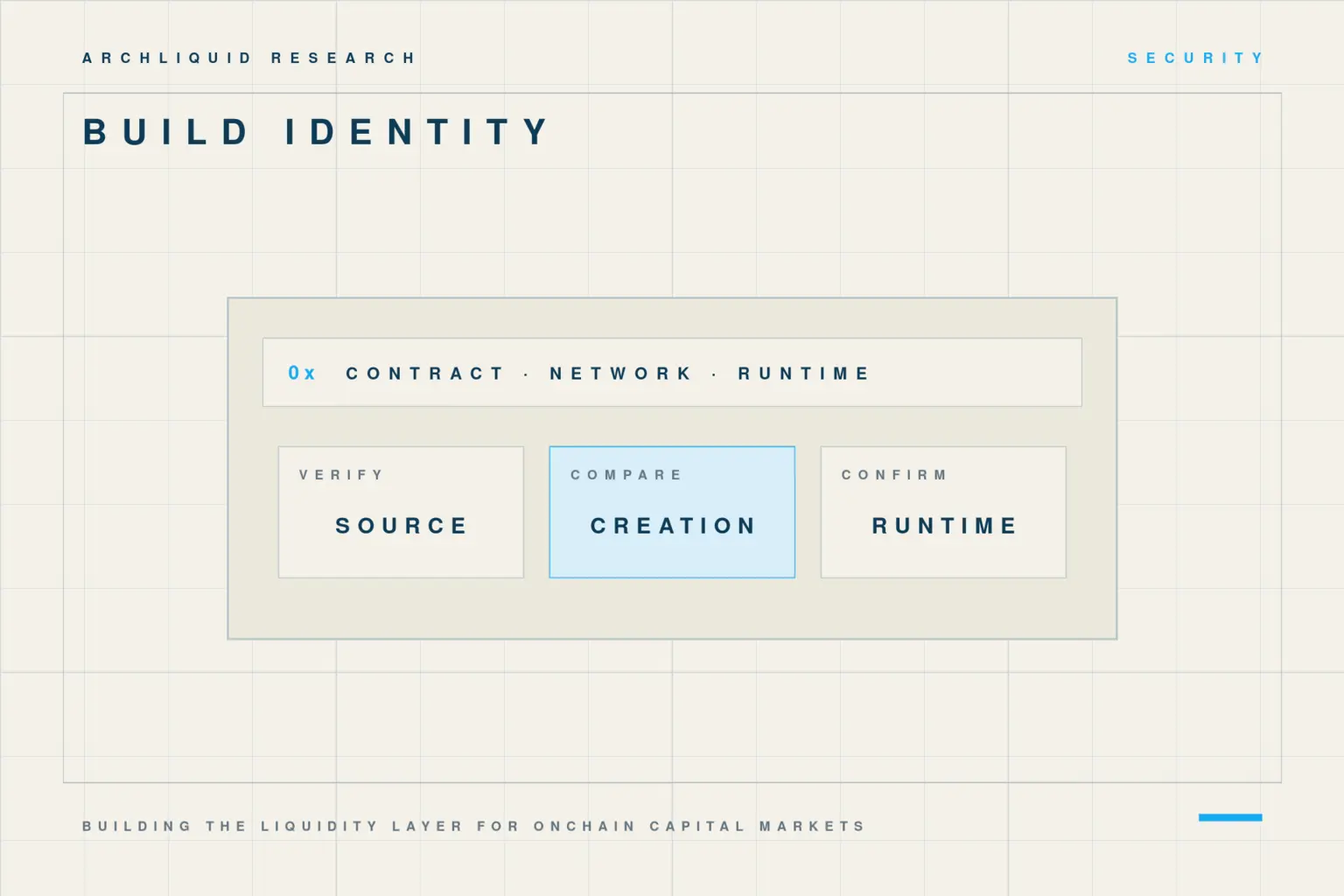
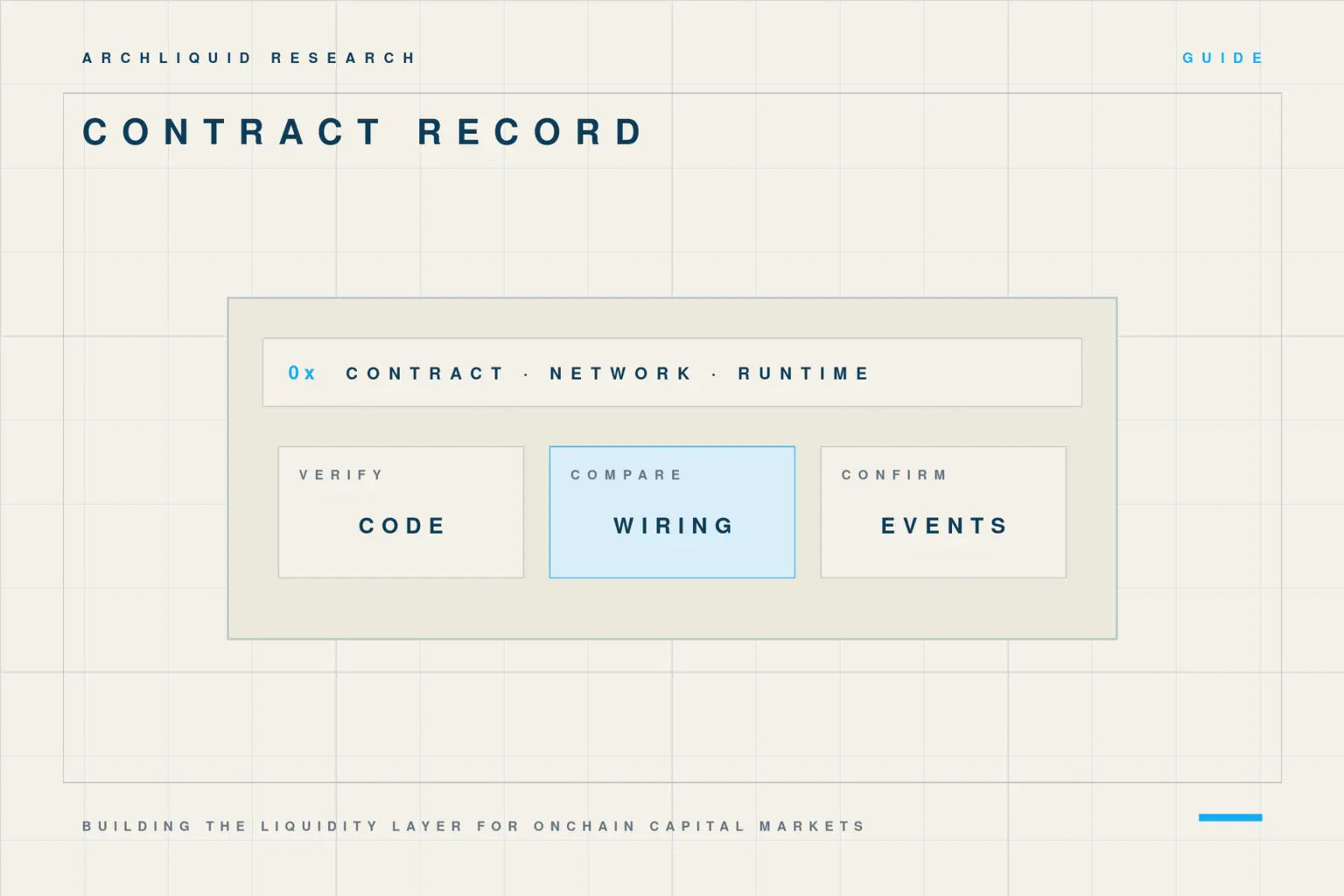
Published source is useful only when users can connect it to the exact bytecode, network and configuration that holds assets.
Read article
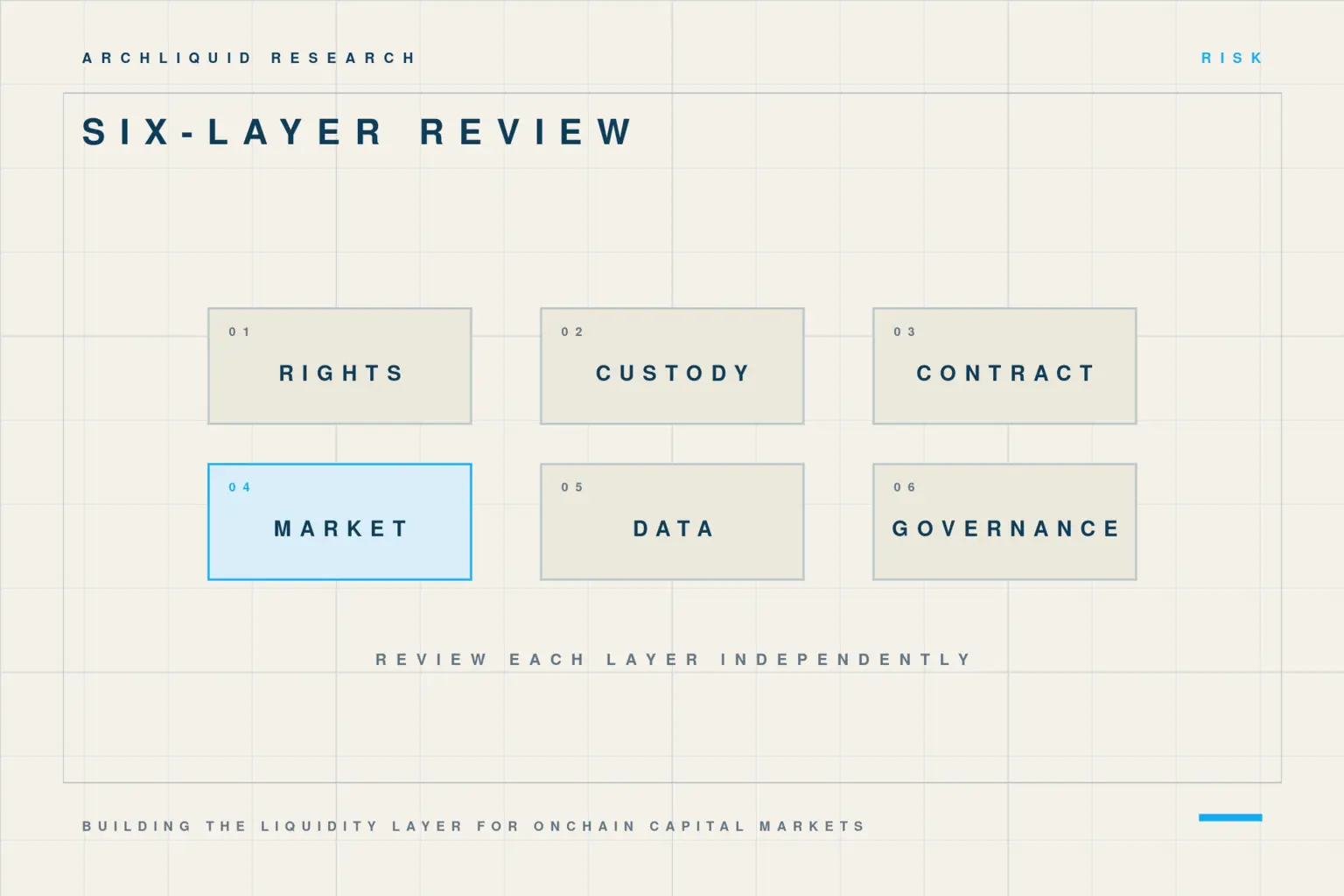
The word tokenized describes a technical form. A sound review asks what the token represents, who stands behind it and how it behaves under stress.
Read article
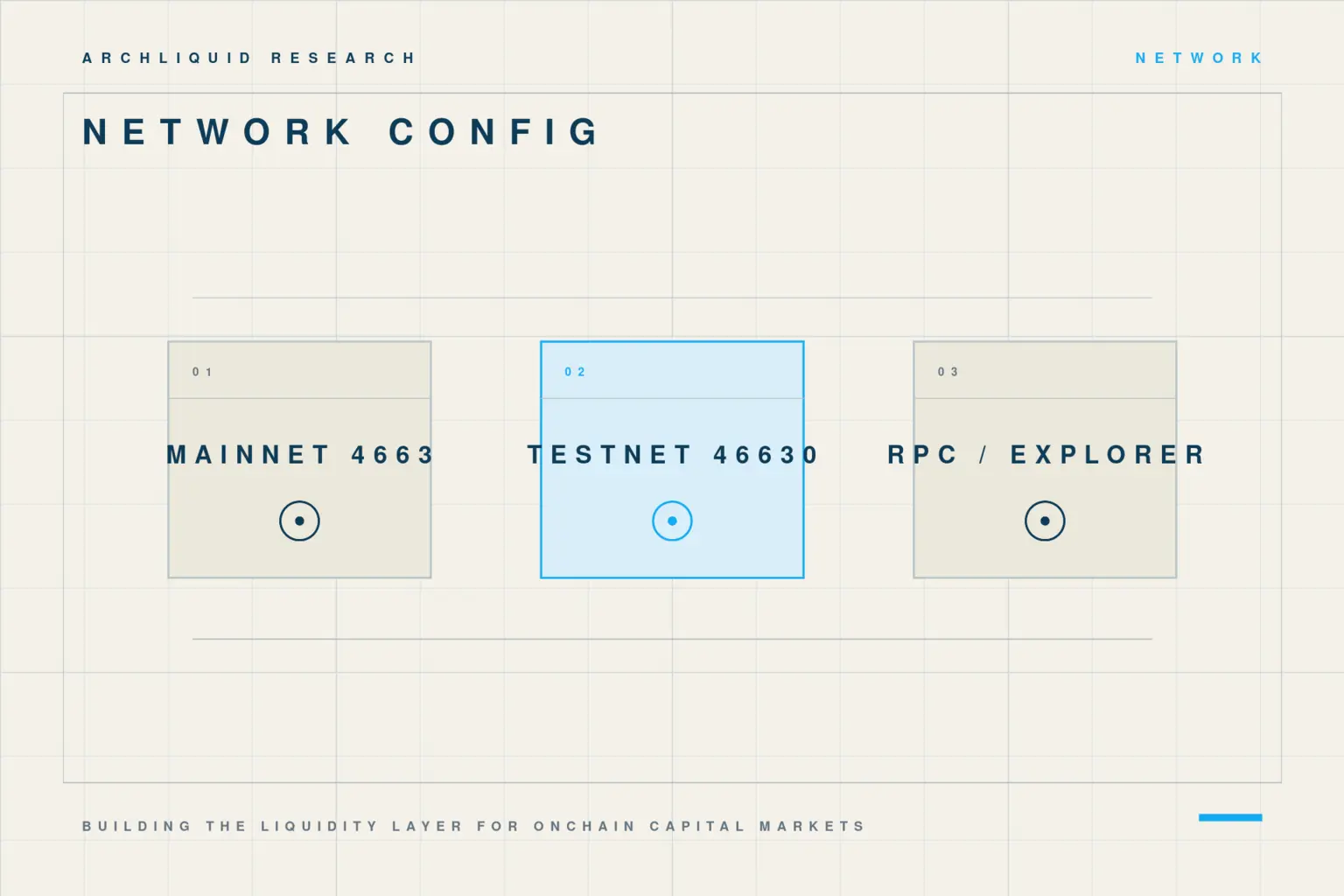
A wallet network is more than an RPC URL. Chain ID, explorer, native currency and endpoint reliability must agree before a transaction is safe to request.
Read article
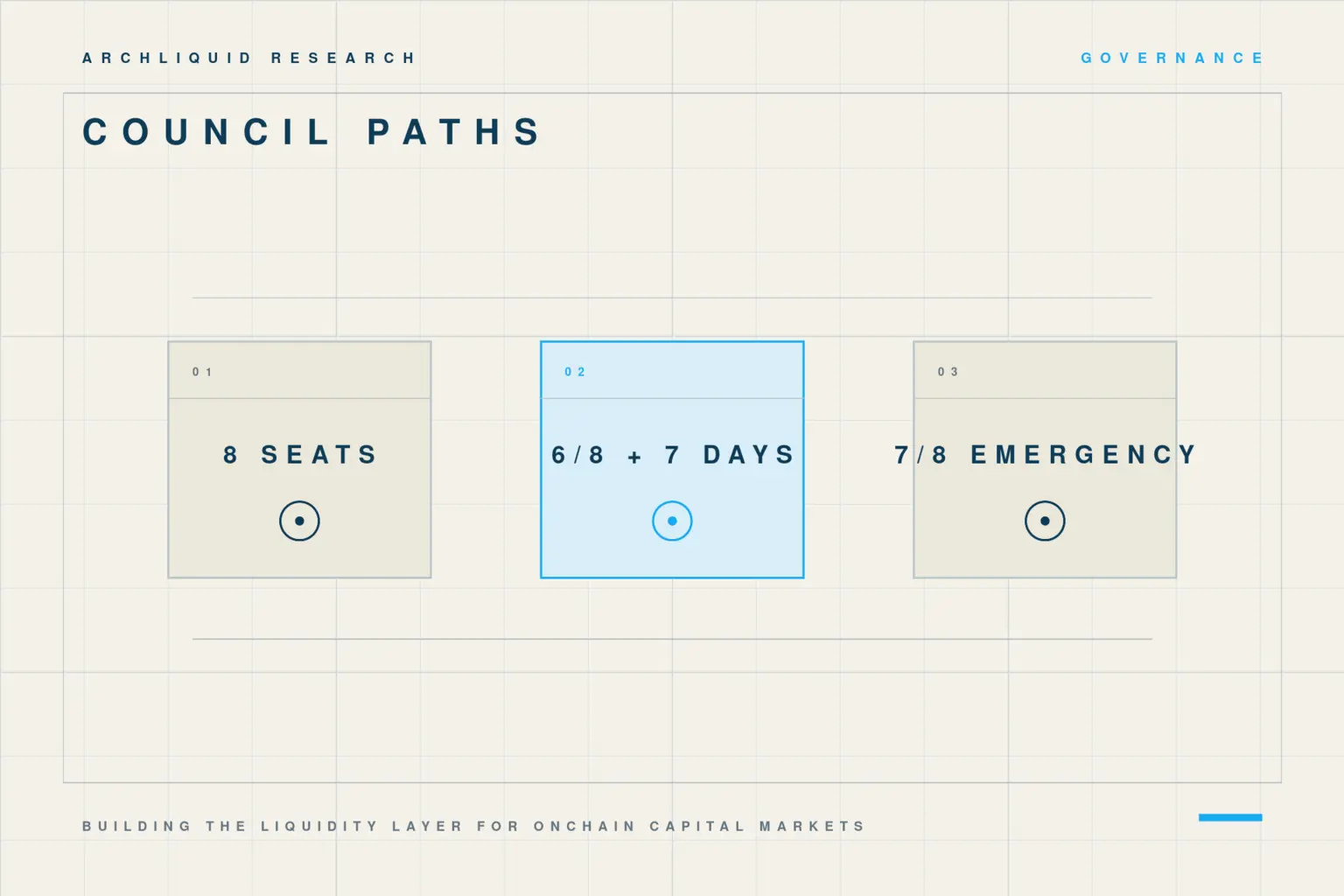
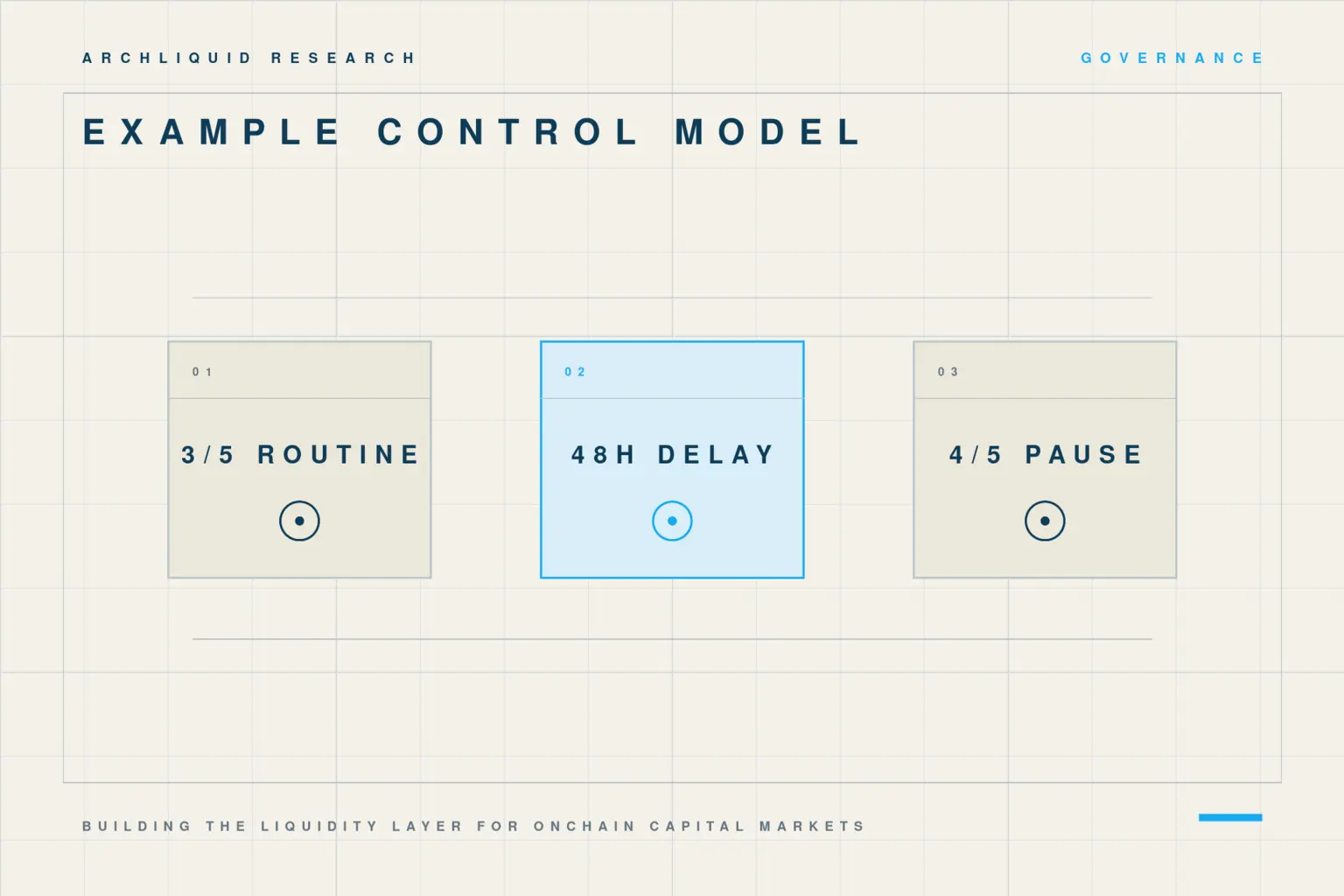
Chain governance defines who can change the system and how quickly. The published thresholds are useful only when their different powers are kept distinct.
Read article
The API exposes identity, market data and lifecycle events, but raw REST quotes and onchain feed values require different multiplier handling.
Read article
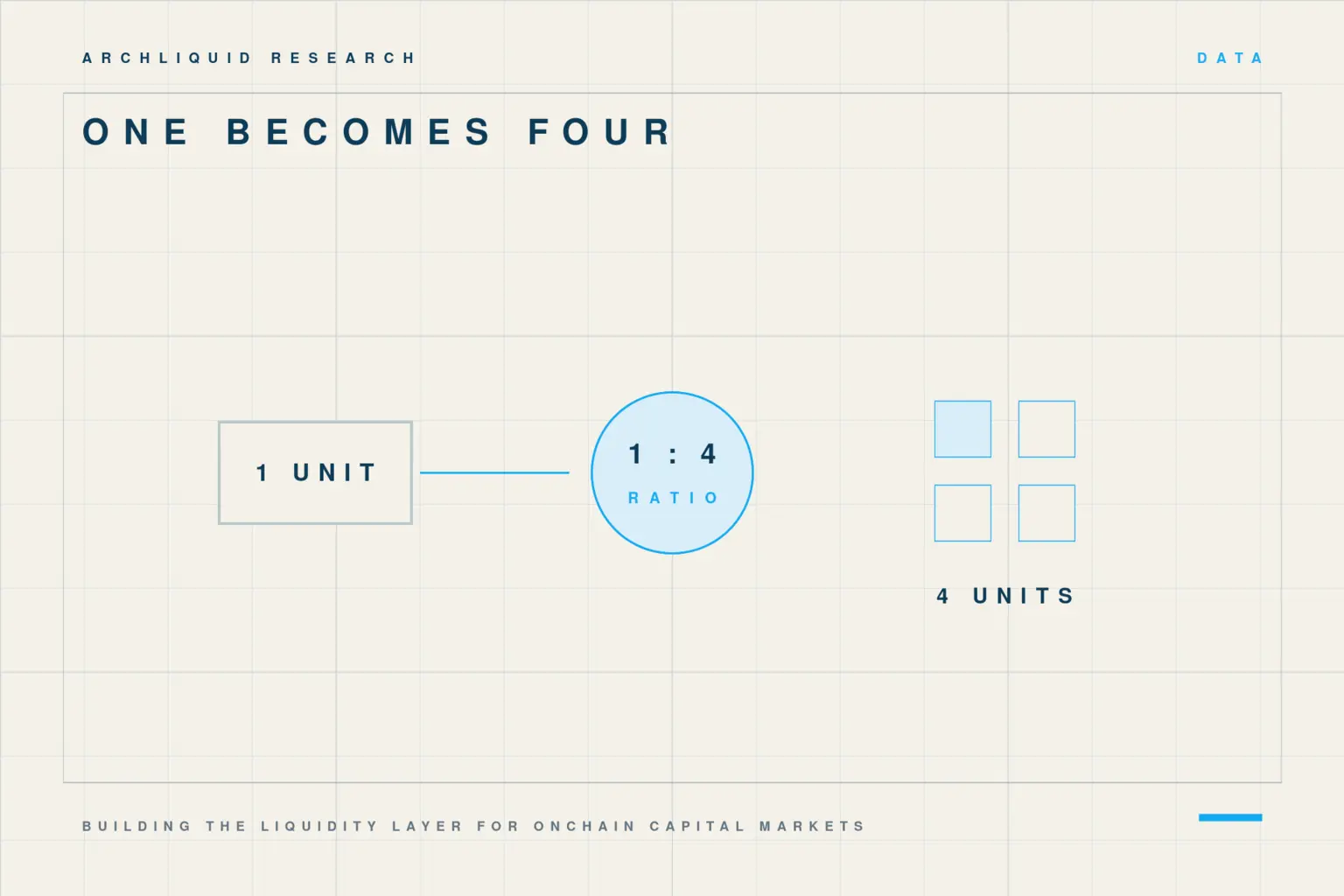
A split changes units, not the holder's economic value at the split instant. Token systems must update balances and price series without manufacturing a return.
Read article
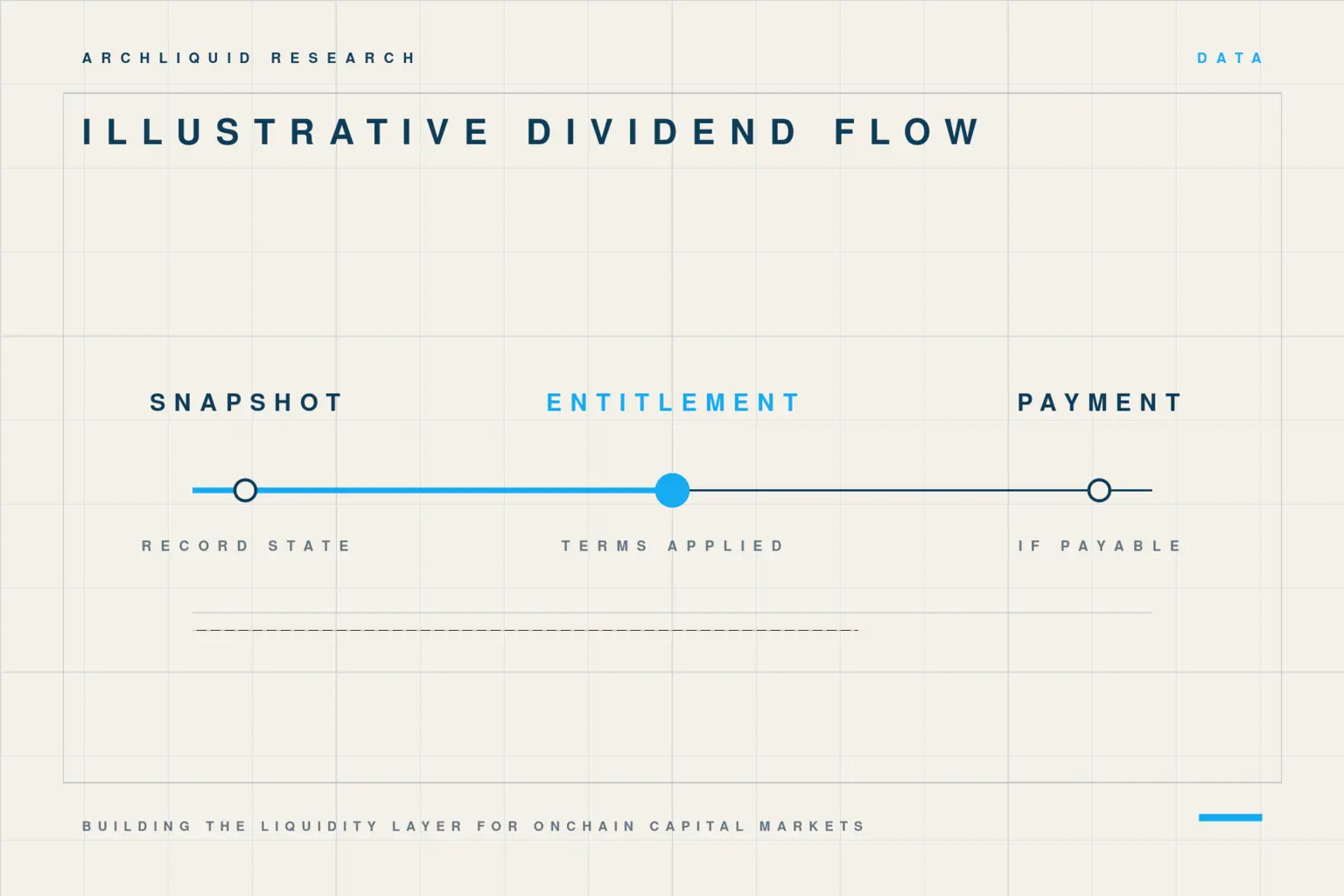
A price feed does not tell a holder whether a dividend is owed. Distribution rights, record dates and payment rails come from the instrument's terms and lifecycle data.
Read article
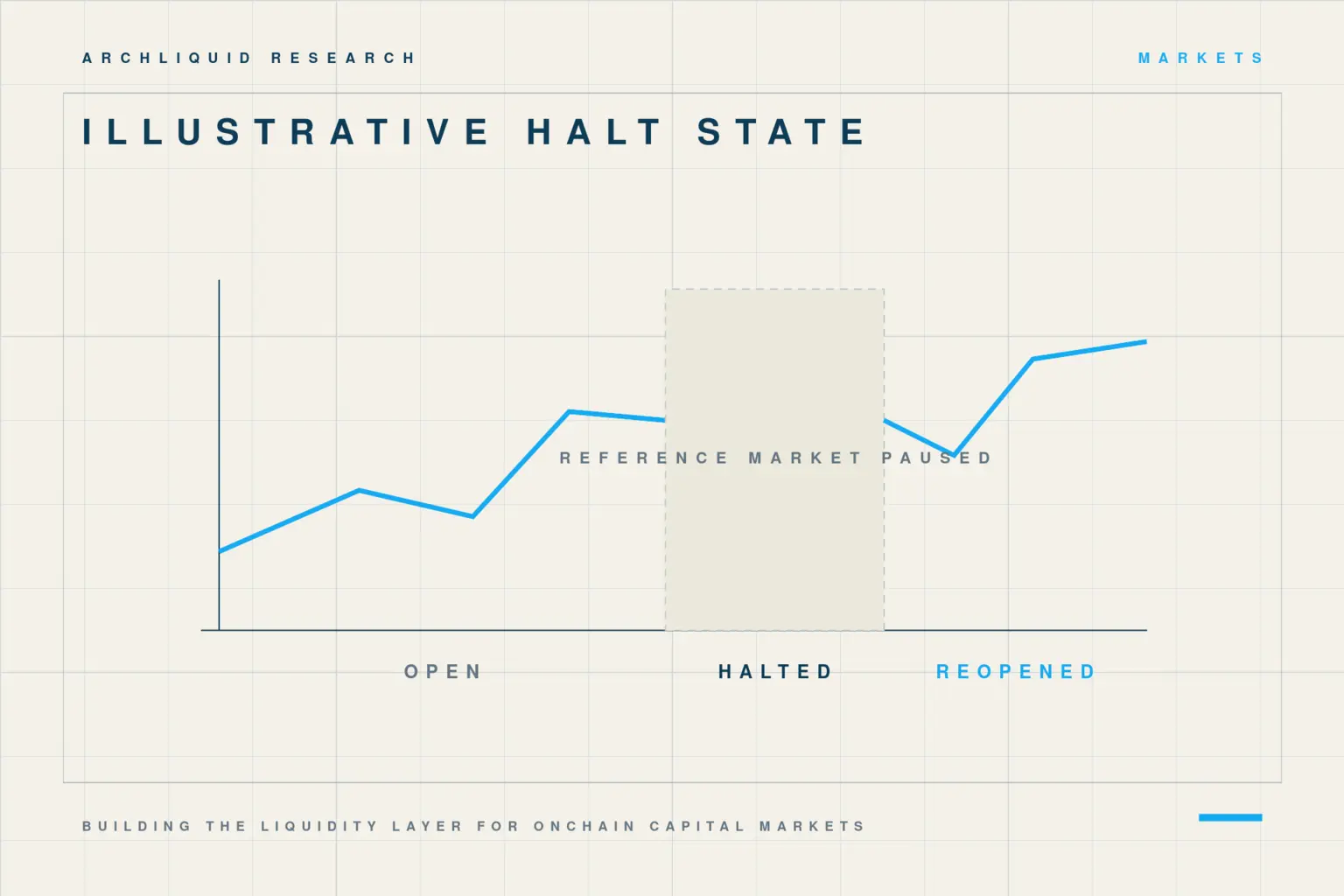
A blockchain can keep producing blocks while the reference stock stops trading. Protocols need a policy for that information gap before it happens.
Read article
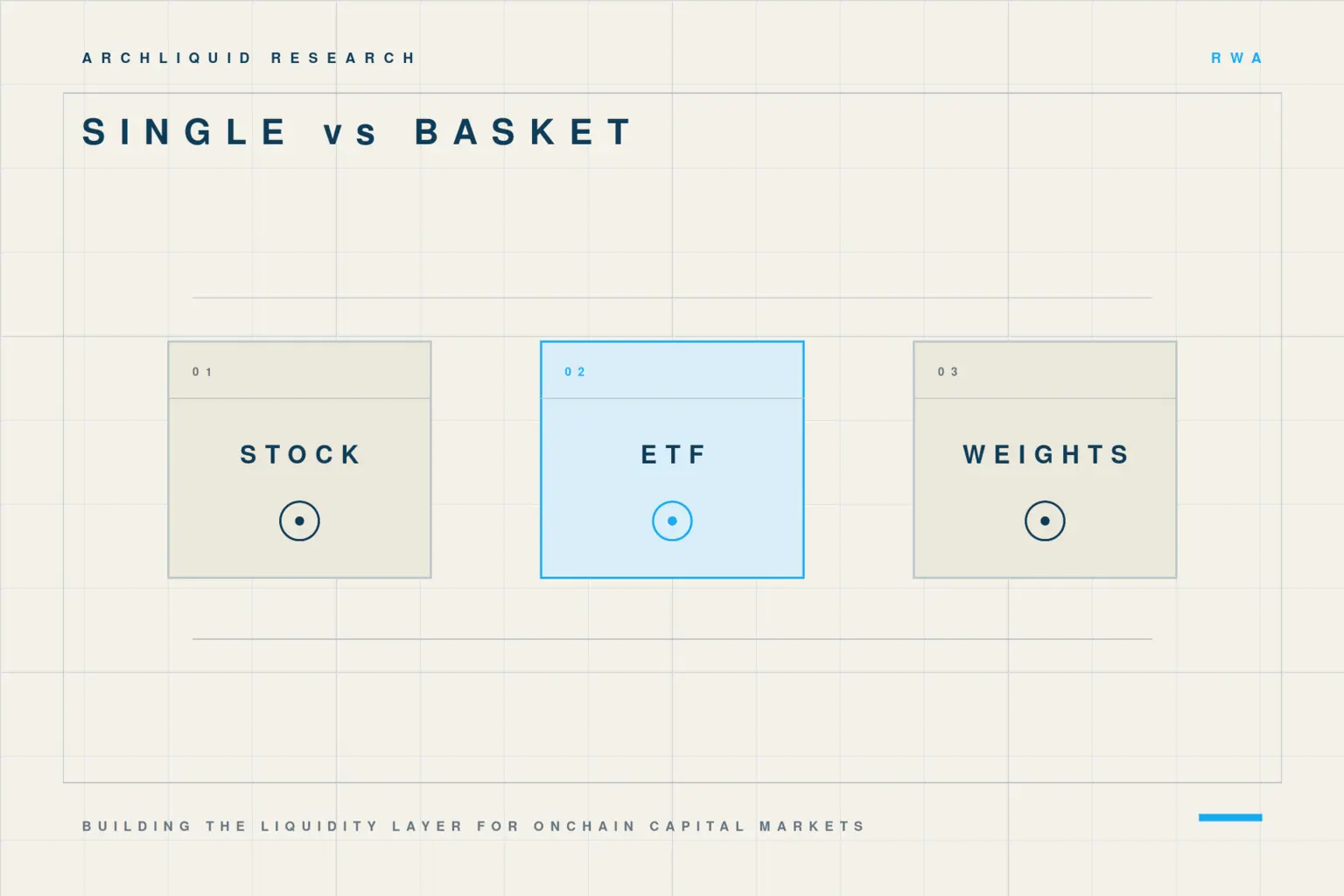
A token linked to one company and a token linked to a portfolio can share an ERC-20 interface while carrying very different valuation and lifecycle dependencies.
Read article
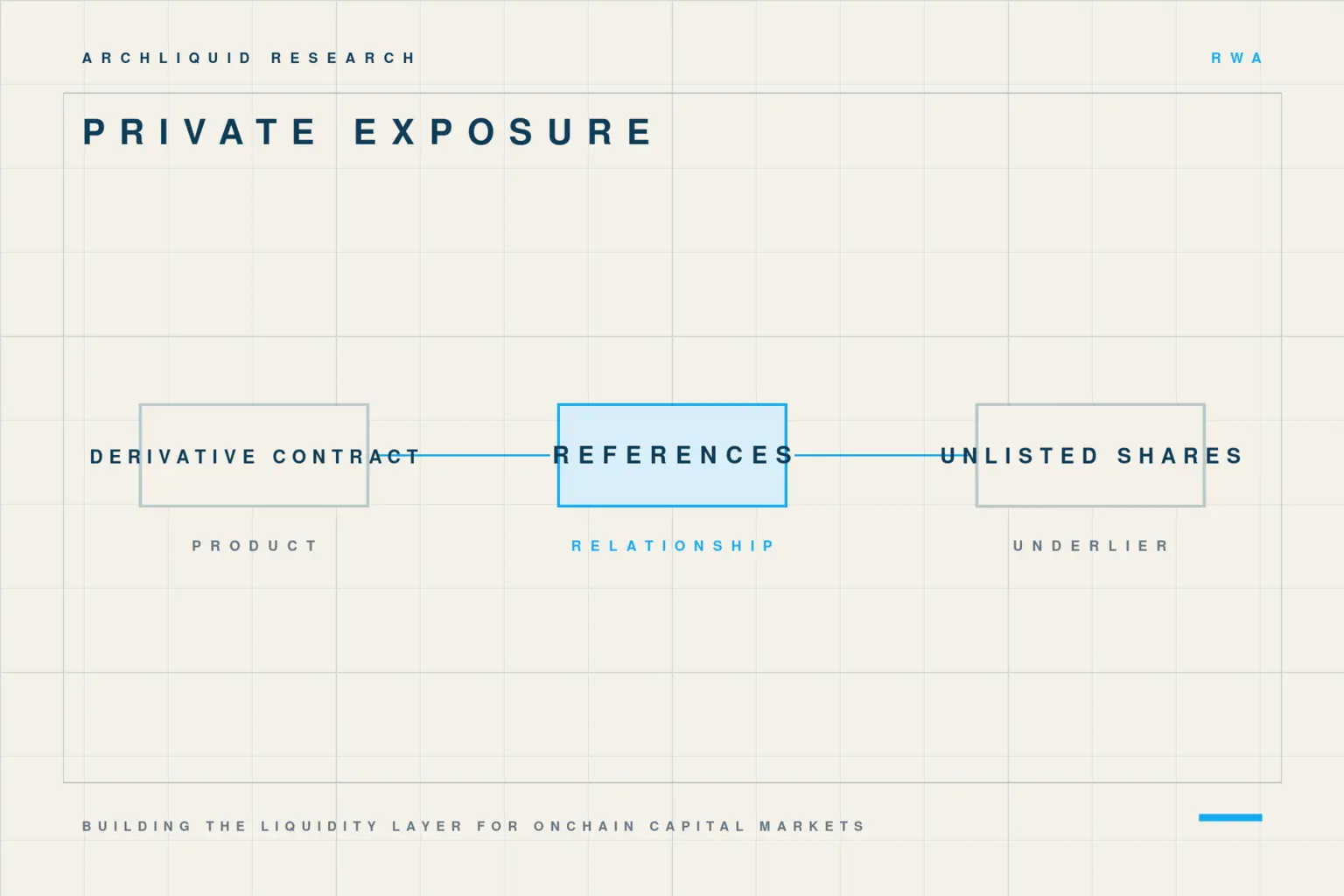
A private-company name can make a token feel familiar while the underlying reference remains unlisted, infrequently priced and inaccessible to the holder.
Read article
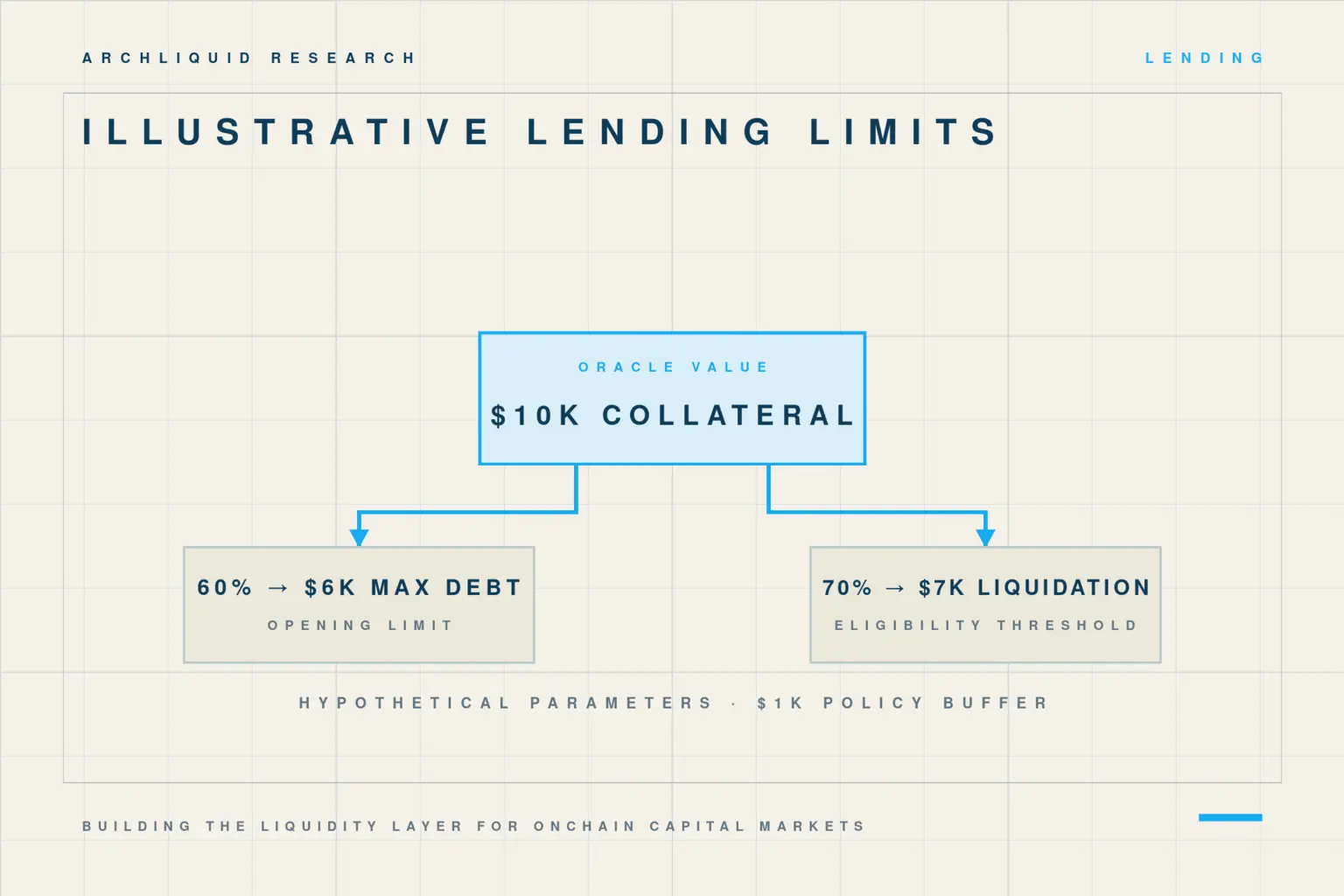
An asset can have a recognizable price and still be weak collateral if the protocol cannot value or sell it when debt becomes unsafe.
Read article
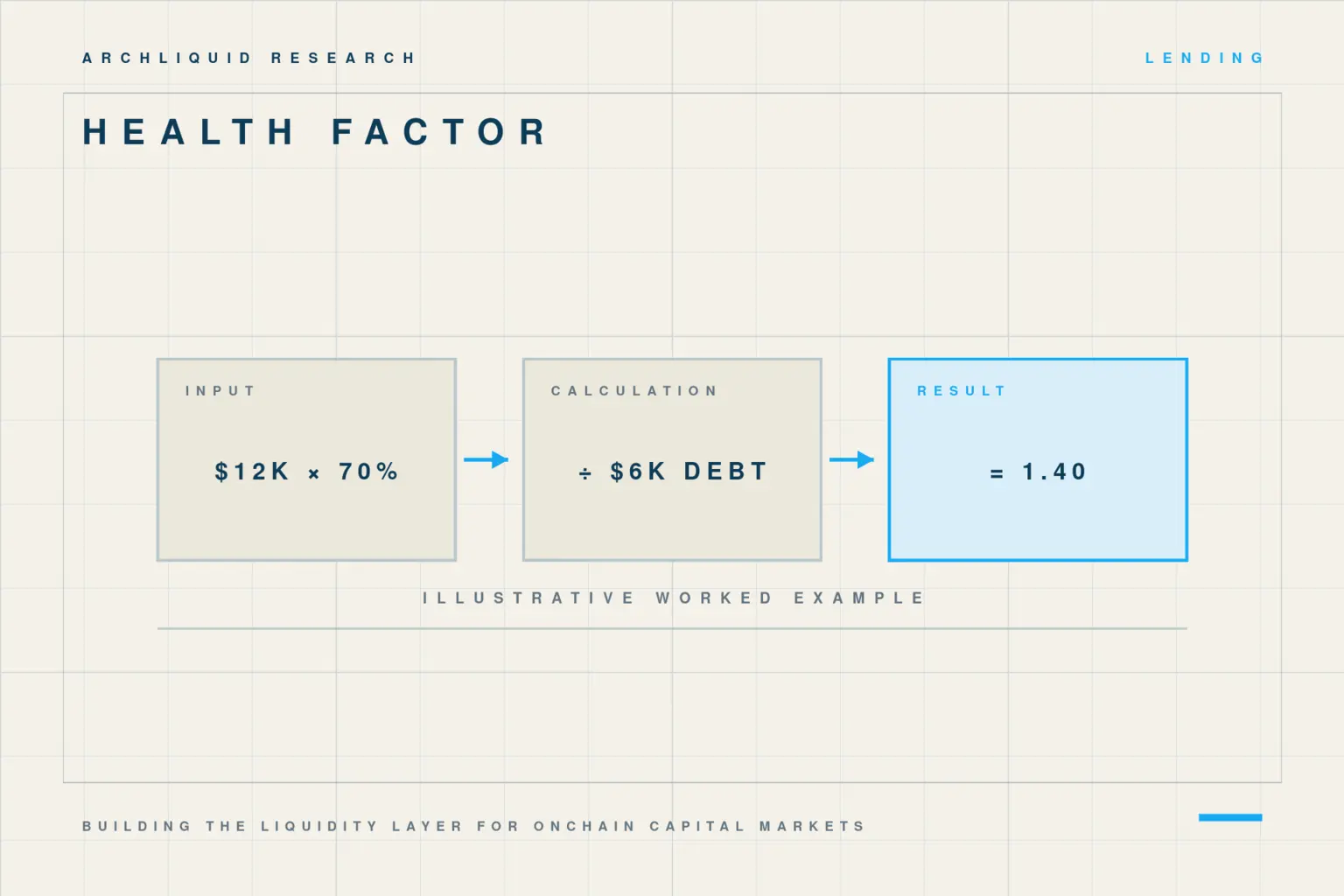
Health factor compresses collateral and debt into one ratio. The formula is simple; choosing a trustworthy collateral value is the difficult part.
Read article
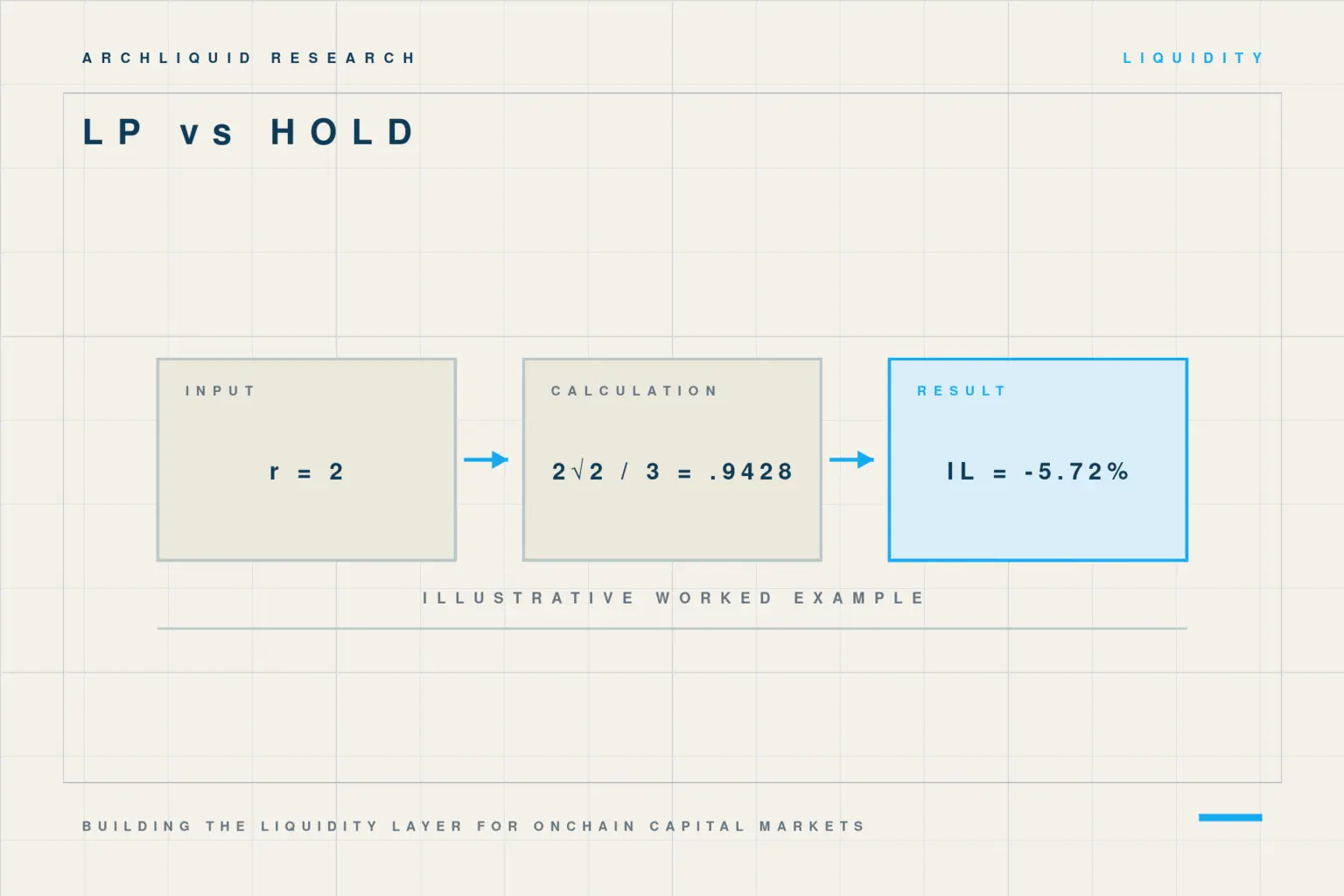
A stock token rising against its quote asset leaves a passive pool holding less of the outperforming side. Fees can offset that difference, but not by definition.
Read article
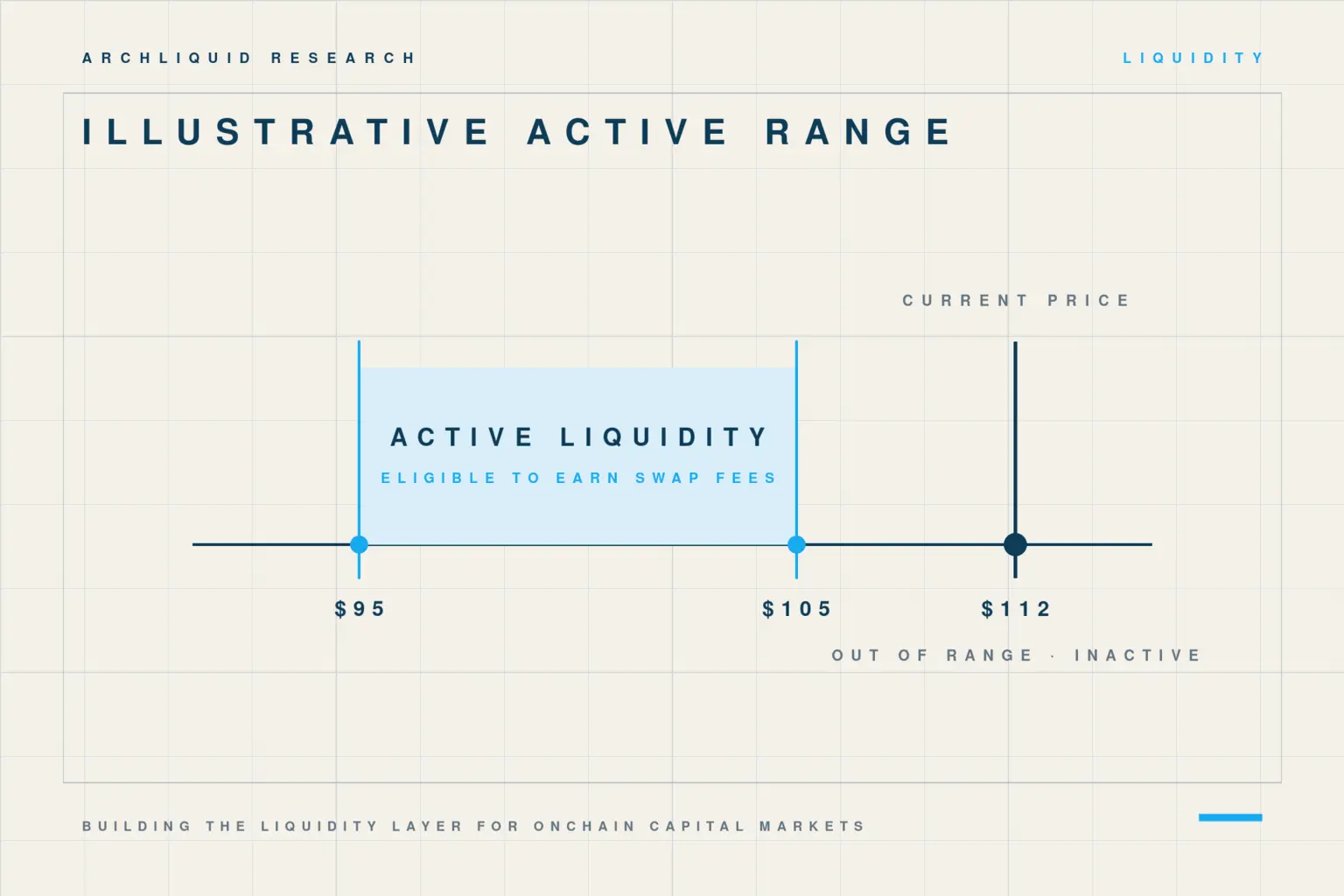
A narrow liquidity range can quote efficiently near an expected stock price, then become entirely inactive when the market moves beyond it.
Read article
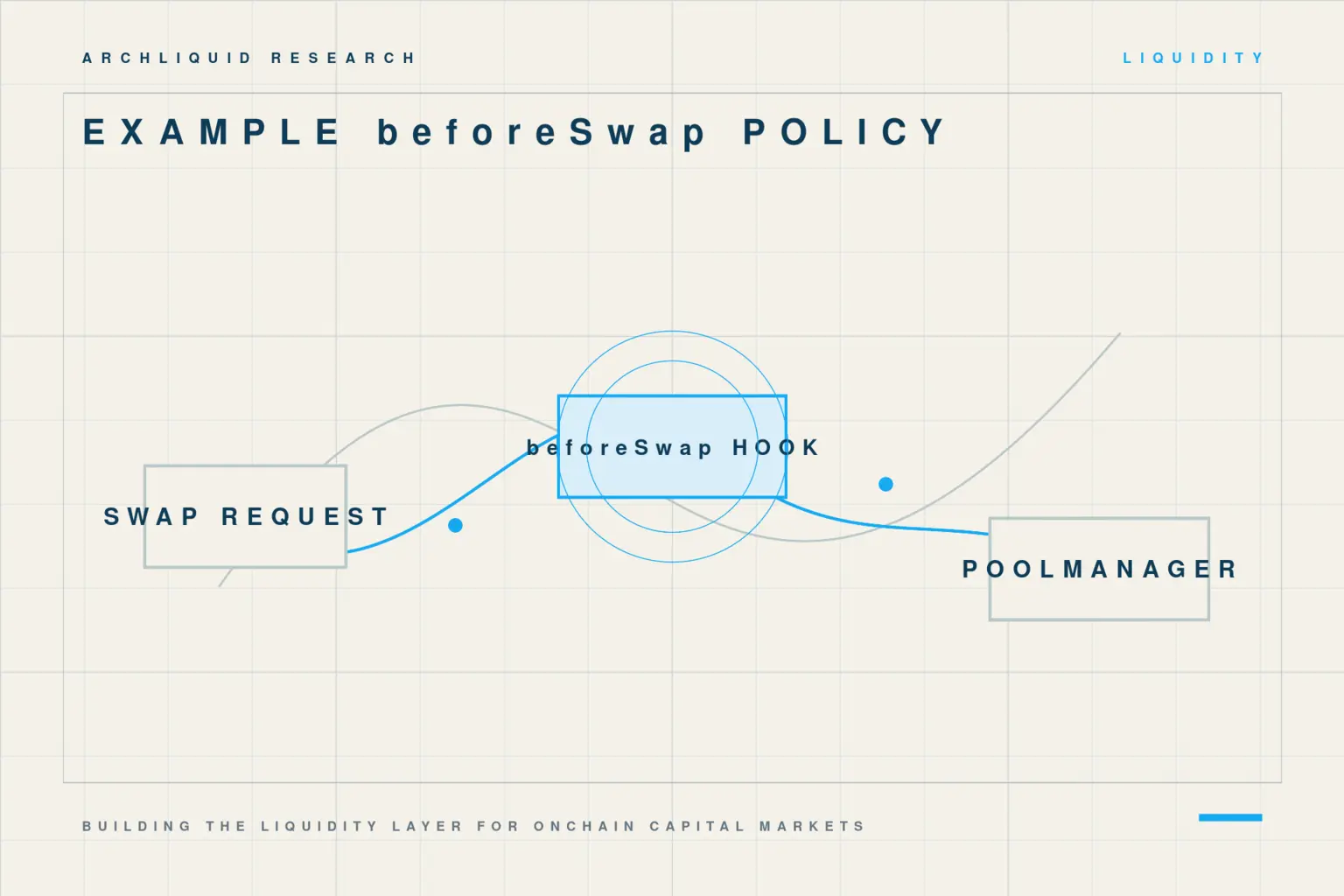
Hooks can make pool behavior responsive to real-world market state, but every callback adds a contract whose code and authority affect users.
Read article
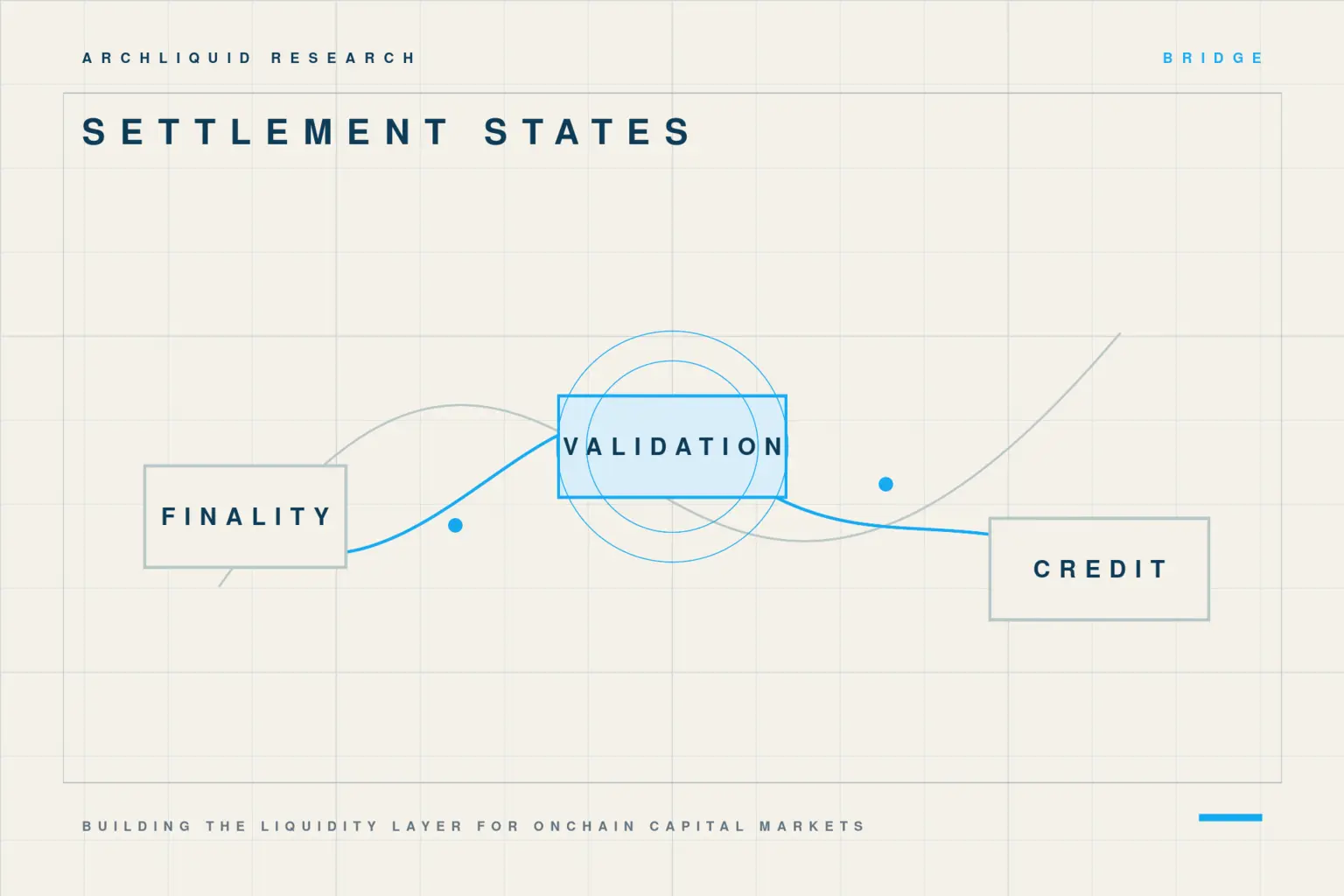
A source-chain transaction can be final while the destination asset is still pending. Good settlement design exposes every state between those events.
Read article
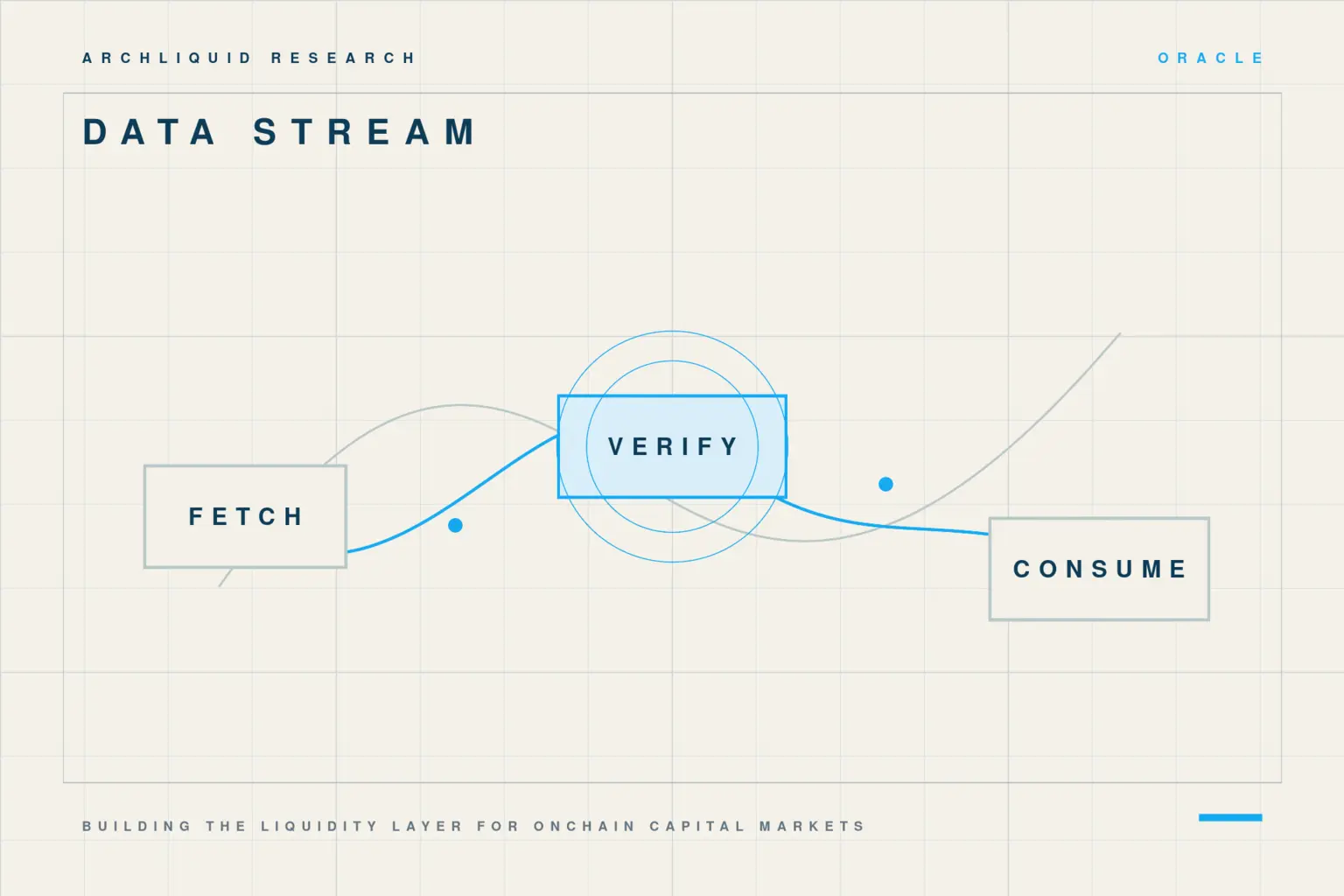
A signed report proves that configured data was attested. The consuming contract still decides whether that report is current and safe for a particular action.
Read article
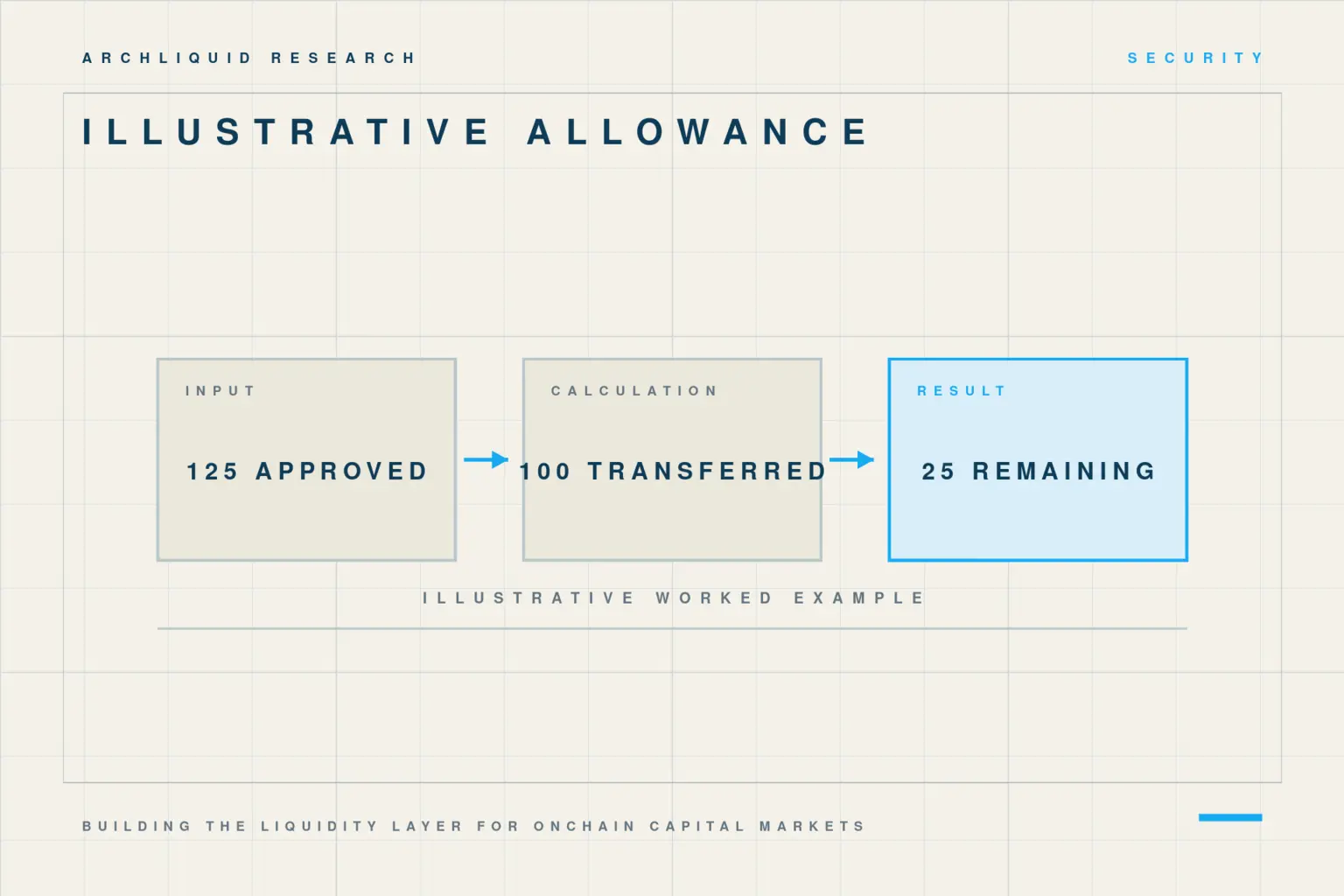
An approval does not move a token. It authorizes a spender to move up to an allowance later, which makes spender identity and scope critical.
Read article
A multisig reduces single-key control; a timelock adds notice. Neither helps if one broadly privileged role can bypass the intended path.
Read article
An explorer turns chain data into a useful interface, but the address, network and underlying RPC state remain the authority.
Read article
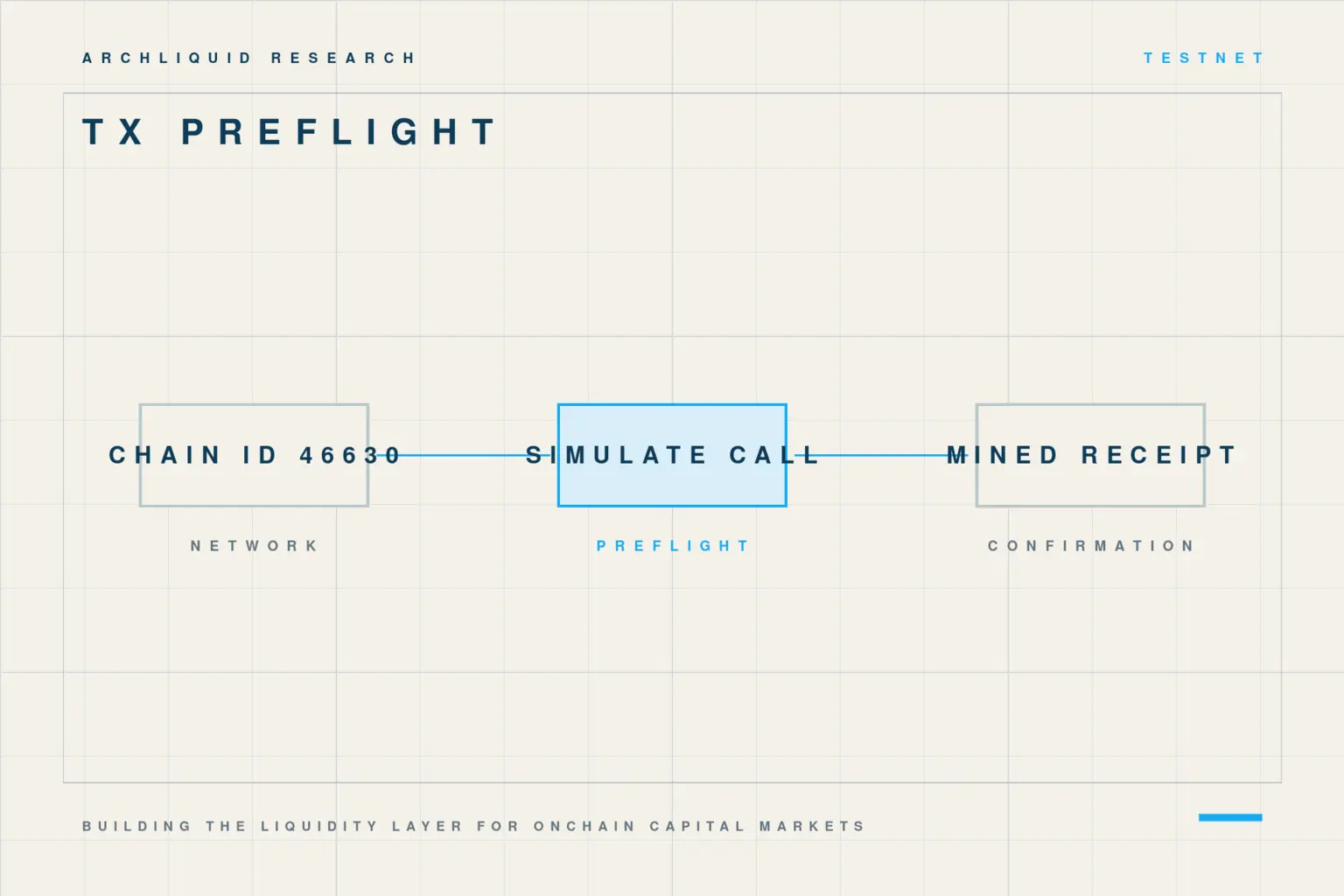
A connected wallet is not yet ready to transact. Network, signer, gas, contract code and simulation must all agree before the request is meaningful.
Read article
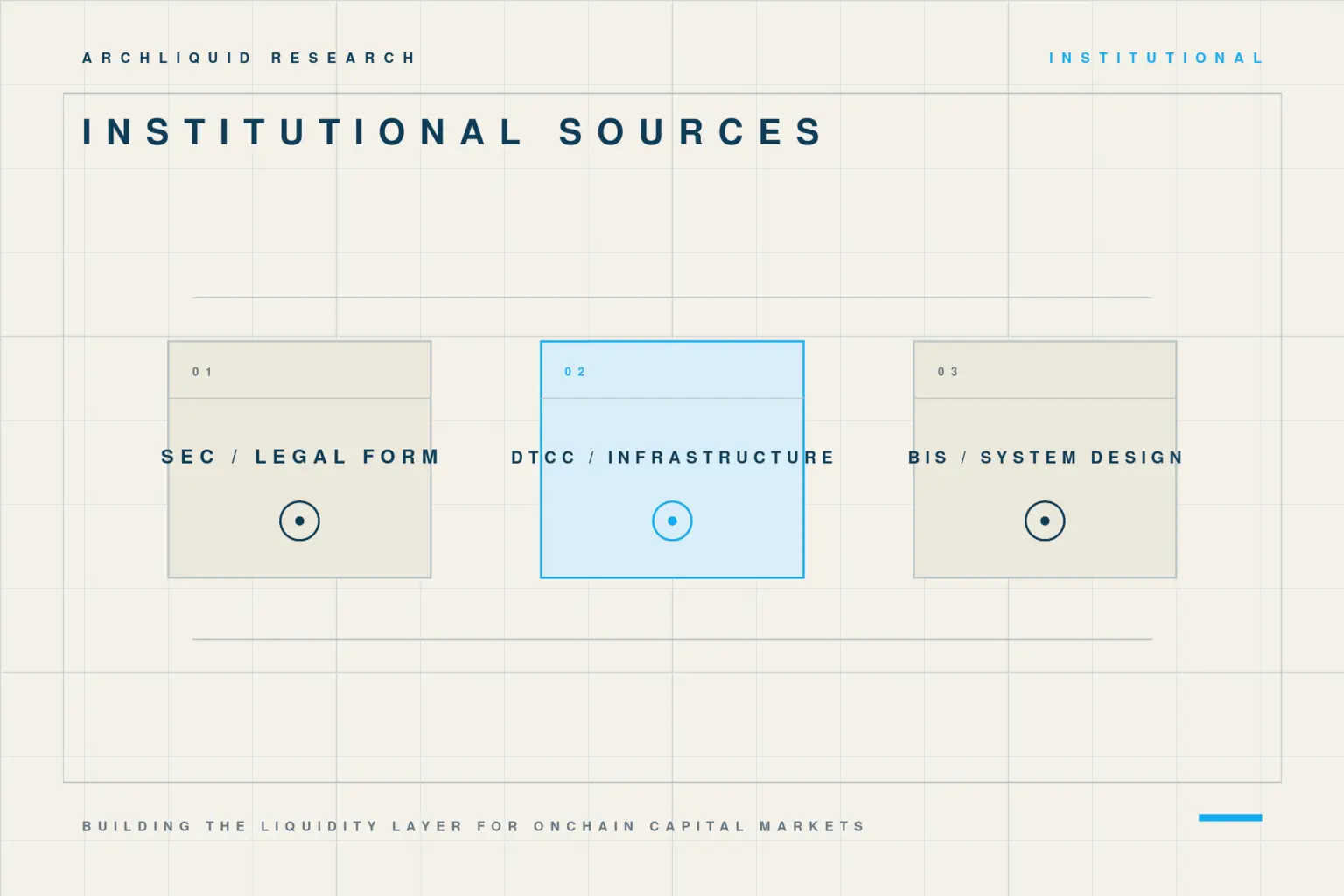
Institutional tokenization is moving from prototypes toward controlled production, but scope, legal rights and settlement architecture remain specific to each initiative.
Read article